Tag: 5G technology
5G Deployment and Public Policy
Anne 0 Comments EMF-home-inspection

As the deployment of 5G technology accelerates around the world, it raises important questions about public policy, community health, and environmental concerns. This article explores the current landscape of 5G deployment, the regulatory response to emerging concerns, and the role of activism in shaping public policy surrounding this transformative technology.
Global Deployment of 5G
5G technology is being rolled out in a phased approach globally, with many developed nations leading the way. These countries are investing heavily in infrastructure that supports 5G to enhance connectivity and drive economic growth. However, the deployment is not uniform, with urban areas typically prioritized over rural regions, leading to a digital divide that policymakers are struggling to address.
Public and Regulatory Responses
The rollout of 5G has prompted significant public and regulatory scrutiny:
- Health and Safety Regulations: In response to health concerns, several countries have updated their radiation safety standards to incorporate the specific needs posed by 5G frequencies. For example, the European Union has adopted stringent guidelines for electromagnetic radiation, balancing technological advancement with health protection.
- Environmental Concerns: The environmental impact of erecting thousands of new antennas has also been a hot topic. Regulatory bodies are requiring more comprehensive environmental impact assessments before approving new installations, especially in ecologically sensitive areas.
- Privacy and Security: With 5G’s enhanced data transmission capabilities, concerns about data privacy and cybersecurity have prompted stricter regulations and standards for data protection.
Impact of Activism and Advocacy
Activism plays a crucial role in the 5G dialogue. Community groups, often skeptical of 5G’s safety, have been vocal in demanding more transparent research into the potential health effects. Their efforts have led to temporary halts and reevaluations of 5G projects in several cities:
- Community Involvement: Advocates for community involvement insist that local populations should have a say in whether and how 5G infrastructure is deployed in their areas.
- Legal Challenges: In some cases, activists have taken legal action to stop or delay the deployment of 5G, citing inadequate studies on health impacts and environmental concerns.
Future Policy Directions
Looking forward, the regulation of 5G technology is expected to evolve as more becomes known about its implications. Policy decisions will likely focus on:
- Balancing Growth and Health: Ensuring that the economic benefits of 5G do not overshadow potential health risks.
- Inclusive Deployment Strategies: Addressing the digital divide by promoting equal access to 5G technology across both urban and rural areas.
- Sustainability Practices: Encouraging the adoption of sustainable practices in the deployment of 5G infrastructure to mitigate environmental impacts.
Conclusion
The deployment of 5G technology presents a significant policy challenge, balancing the promise of enhanced connectivity with the need for safety, privacy, and environmental sustainability. As 5G becomes more entrenched in our daily lives, public policies must evolve to reflect the complex interplay between technological advancement and societal welfare.
Our team at emfTESTS offers comprehensive electromagnetic field (EMF) testing and is recognized as one of the leaders in the field of electromagnetic field (EMF) mitigation in the United States.
We are committed to perfection, and we are able to identify and assist you in mitigating six different forms of electromagnetic fields (EMFs). These EMFs include electric fields, dirty electricity, magnetic fields, wireless radiation, and even artificial light and geopathic stress!
However, why would you not want to employ an electromagnetic field (EMF) mitigation professional and have your house, office, or anticipated future residence inspected for electro-pollution?
- EMF mitigation professionals like emfTESTS and their team employ professional-level meters, which are not the more affordable amateur-level meters. These meters are quite costly, but they provide findings that are correct according to scientific standards.
- This indicates that emfTESTS is able to readily determine which sources of electro-pollution in the vicinity of your house are accountable for the majority of the electromagnetic field exposure that your family experiences. Which tower is this, a 4G or a 5G one? Does it belong to you as a WiFi router? Is there more to it than that?)
- The emfTESTS team is unique because they also consider the light environment in your house and can assist you in selecting lighting solutions that are more beneficial to your health. Although artificial light is frequently disregarded, it is a significant kind of electro-pollution.
- Shielded Healing will walk you through the solutions, and it will not leave you with a one-pager and a great deal more concern than you had before you took the EMF survey.
- In the event that you are being subjected to significant quantities of wireless radiation from your neighbors, local cell towers, or any other “outside sources,” Shielded Healing can assist you in shielding your bedroom from the harmful effects of these sources. There is a strong possibility that this is one of the most beneficial purchases you will ever make in order to make your house a healthier place to live.
Read More
Introduction to 5G Technology and Its Development
Anne 0 Comments EMF-home-inspection

5G technology represents a monumental leap in wireless communication, poised to transform our digital landscape dramatically. Unlike its predecessors, 5G offers unprecedented data speeds and connectivity, facilitating innovations across various sectors. This article delves into the core aspects of 5G, outlining its evolution from earlier communication standards and highlighting the technological enhancements it brings to the table. As we stand on the brink of widespread 5G deployment, understanding its foundational elements is crucial for grasping its potential impacts and benefits.
The Evolution of Cellular Networks
Cellular technology has evolved significantly since the first generation of mobile networks. Starting with 1G in the 1980s, each generation has brought advancements in speed, capacity, and functionality. 5G is distinct not only in its ability to support a massive number of devices simultaneously but also in its low latency and high throughput. These features enable real-time applications such as autonomous driving, augmented reality, and enhanced IoT (Internet of Things) capabilities.
Key Technologies Driving 5G
The implementation of 5G technology is underpinned by several key innovations:
- Massive MIMO (Multiple Input Multiple Output): This technology involves using numerous antennas at both the transmitter and receiver to improve communication performance. Massive MIMO increases the capacity of a network significantly, allowing for more simultaneous users.
- Beamforming: This technique focuses a wireless signal towards a specific receiving device, rather than having the signal spread in all directions as in traditional broadcast transmissions. Beamforming enhances signal quality and energy efficiency.
- Full Duplex: This technology enables devices to transmit and receive signals at the same time on the same frequency, effectively doubling the capacity of wireless networks.
Potential Applications and Impact of 5G
The advent of 5G is set to revolutionize several industries by enabling new applications:
- Smart Cities: 5G can facilitate more connected and automated urban environments, from improved traffic management to energy distribution.
- Healthcare: High-speed, reliable connectivity can transform healthcare through remote surgeries, real-time remote monitoring, and personalized treatment options that rely on rapid data transfer.
- Manufacturing: 5G networks can enhance automation and machine-to-machine communication, improving efficiency and enabling more flexible production techniques.
- Agriculture: Enhanced IoT capabilities can lead to better crop monitoring and management, precision farming techniques, and increased automation.
Challenges and Considerations
Despite its advantages, the rollout of 5G technology faces several challenges. These include infrastructure demands, such as the need for numerous small cell towers due to the shorter range of 5G frequencies. Additionally, there are concerns regarding the environmental and health impacts of widespread 5G deployment, which are subjects of ongoing research and debate.
Global Impact and Future Prospects
As countries around the world begin to deploy 5G networks, the global impact of this technology is becoming increasingly apparent. Not only does it promise to enhance connectivity and services, but it also poses challenges and opportunities for regulatory frameworks, cybersecurity, and digital equity. The future of 5G is likely to involve continued innovation and adaptation as technology develops and new applications emerge.
Conclusion
As 5G technology continues to evolve, it promises to redefine our digital interactions and fuel innovative solutions across industries. The next decade will likely witness a significant transformation in how we connect and communicate, making an understanding of 5G not just beneficial but essential for businesses, policymakers, and consumers alike.
Our team at emfTESTS offers comprehensive electromagnetic field (EMF) testing and is recognized as one of the leaders in the field of electromagnetic field (EMF) mitigation in the United States.
We are committed to perfection, and we are able to identify and assist you in mitigating six different forms of electromagnetic fields (EMFs). These EMFs include electric fields, dirty electricity, magnetic fields, wireless radiation, and even artificial light and geopathic stress!
However, why would you not want to employ an electromagnetic field (EMF) mitigation professional and have your house, office, or anticipated future residence inspected for electro-pollution?
- EMF mitigation professionals like emfTESTS and their team employ professional-level meters, which are not the more affordable amateur-level meters. These meters are quite costly, but they provide findings that are correct according to scientific standards.
- This indicates that emfTESTS is able to readily determine which sources of electro-pollution in the vicinity of your house are accountable for the majority of the electromagnetic field exposure that your family experiences. Which tower is this, a 4G or a 5G one? Does it belong to you as a WiFi router? Is there more to it than that?)
- The emfTESTS team is one of a kind since they also take into consideration the light environment in your house and are able to assist you in selecting lighting solutions that are more beneficial to your health. In spite of the fact that it is frequently disregarded, artificial light is a significant kind of electro-pollution.
- Shielded Healing will walk you through the solutions, and it will not leave you with a one-pager and a great deal more concern than you had before you took the EMF survey.
- In the event that you are being subjected to significant quantities of wireless radiation from your neighbors, local cell towers, or any other “outside sources,” Shielded Healing can assist you in shielding your bedroom from the harmful effects of these sources. There is a strong possibility that this is one of the most beneficial purchases you will ever make in order to make your house a healthier place to live.
Health Implications of 5G Exposure
Anne 0 Comments EMF-home-inspection

As 5G technology proliferates globally, concerns about its health implications have become a central point of discussion among scientists, healthcare providers, and the public. This article examines the potential health risks associated with 5G technology, compares these risks to previous generations of cellular technology, and discusses current research and expert opinions on the matter.
Understanding 5G and Its Exposure Levels
5G technology uses higher frequency bands than previous generations, which include the millimeter wave (mmWave) spectrum. These high-frequency waves can transmit large amounts of data faster and with lower latency but have a shorter range and lower penetration capabilities compared to lower-frequency waves. The exposure to these high frequencies has raised concerns about potential health impacts, especially given their novel application in consumer devices and infrastructure.
Potential Health Risks
The primary concern with 5G exposure revolves around the potential for increased radiation absorption in human tissues:
- Skin Absorption: Early studies suggest that mmWave frequencies tend to be absorbed by the skin’s surface layers, potentially affecting the skin and eyes due to their superficial penetration.
- Thermal Effects: There is concern about the thermal effects of prolonged exposure to high-frequency waves, which can cause tissue heating and may lead to adverse health effects.
- Systemic Impact: While the long-term systemic impacts of 5G are still under study, preliminary research indicates potential effects on immune and neurological function.
Comparative Analysis with Previous Generations
While previous cellular network generations (like 3G and 4G) have been studied more extensively, the shift to higher frequencies with 5G necessitates new research paradigms. Past studies on 3G and 4G highlighted concerns over possible links to conditions such as headaches, cognitive dysfunction, and even cancer, but the evidence was not conclusive. The higher frequency and intensity of 5G exposure call for renewed scrutiny and updated methodologies to ensure public safety.
Current Research and Expert Opinions
Ongoing research into 5G’s health effects is mixed, with some studies indicating minimal risk while others suggest potential harm. Institutions like the World Health Organization (WHO) and the International Agency for Research on Cancer (IARC) are closely monitoring these developments. The WHO has categorized all radiofrequency radiation (which includes mobile phone frequencies) as a possible human carcinogen (Group 2B), indicating that there is a potential risk that needs further investigation.
Regulatory and Health Advisory Responses
Regulatory bodies worldwide are updating their guidelines to address potential risks associated with 5G:
- Safety Standards: Updated safety standards are being implemented, which consider the specific absorption rate (SAR) values of devices and infrastructure.
- Public Health Guidelines: Health authorities are developing guidelines that recommend minimizing exposure, especially for vulnerable populations such as children and pregnant women.
- Regulatory Capture: Kennedy highlighted the extensive control that large corporations, especially within the telecommunications sector, exert over regulatory bodies such as the FCC and FDA. This control results in lax enforcement and regulations that favor industry interests over public health [5].
- Media Influence: Significant advertising spending by telecommunications giants effectively silences negative media coverage about EMF pollution, leading to a lack of public awareness and understanding of the associated health risks [5].
- Health Risks and Public Ignorance: There is a strong scientific consensus about the harmful effects of EMF exposure, including cancer, neurological disorders, and immune system disruption. However, the public remains largely unaware or dismissive of these risks, partly due to media manipulation and the convenience provided by wireless technologies [5].
- Litigation and Advocacy: Kennedy discusses ongoing legal battles aimed at challenging regulatory failures and pushing for stricter EMF exposure guidelines. These include suits against both the government and private corporations for failing to protect public health [5].
- Policy and Personnel Changes: The summit emphasized the need for sweeping changes in the staffing and policy direction of regulatory agencies to combat the issue of regulatory capture. This includes replacing industry-affiliated personnel with experts who prioritize public health [5].
- Global Impact and Environmental Concerns: The unchecked proliferation of telecommunications infrastructure, including satellites, poses significant threats not only to human health but also to wildlife and ecosystems. There is a call for comprehensive environmental assessments and stricter global regulations [5].
- Medical Gaslighting: Individuals reporting symptoms related to EMF exposure often face dismissal and skepticism from the medical community, a phenomenon Kennedy identifies as a form of medical gaslighting. This systemic issue needs addressing through better education and awareness in the healthcare industry [5].
These insights highlight the critical need for regulatory reform, increased public engagement, and stronger advocacy to mitigate the impacts of EMF pollution and ensure that technological advancements do not come at the expense of public health and ecological integrity.
Conclusion
The health implications of 5G technology are a complex and evolving area of study. As this technology becomes more widespread, it is crucial that rigorous, independent research continues to monitor its health impacts. Public policy and health advisories will need to adapt based on these findings to safeguard public health while harnessing the benefits of 5G’s advancements.
Read More
Does 5G technology increase our health risks?
EMF 0 Comments EMF-home-inspection
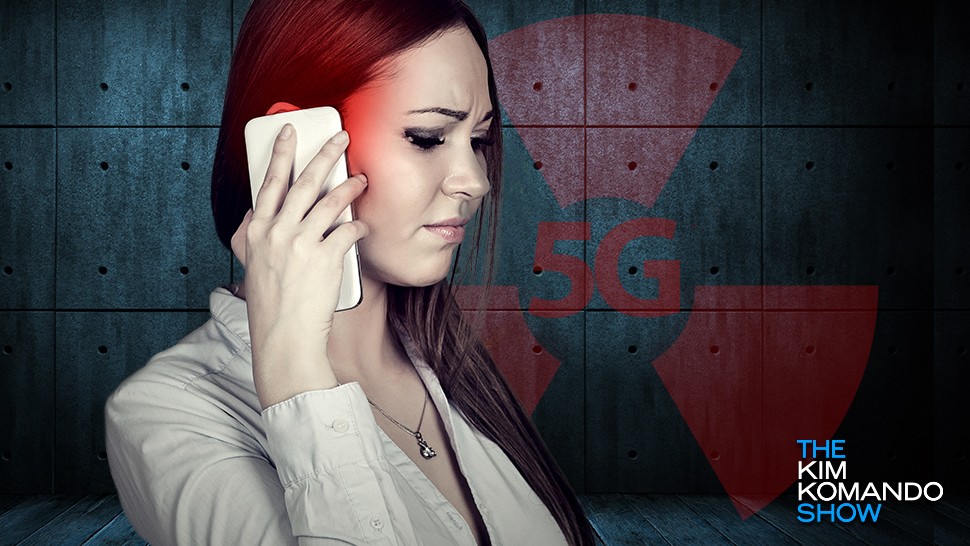
Fear of cellphone radiation effects on the human body is nothing new, and we are constantly warned about the possible consequences of regular exposure to wireless signals.
Skeptics say that none of the studies are conclusive so far. And the wireless industry is always ready to reassure the public that there’s no concrete link between cellphone exposure and health issues.
But with the current rollout of the much faster and more powerful 5G standard, will it put us at greater risk?
Related article: What is 5G all about anyway? Click here to read more about the ongoing 5G revolution.
What’s different about 5G anyway?
First, 5G operates on higher radio frequencies than older cellphone standards. While previous 1G, 2G, 3G and even 4G networks work between 700 MHz to 6 GHz frequencies, 5G works in the ultra-high 28 to 100 GHz frequencies (also known as the millimeter wave bands).
The good news is that these ultra-high frequencies allow for blazing fast data transfers (5G can wirelessly achieve 10 Gbps in theory, imagine that). These bands are less congested, too, with less interference from other wireless signals.
The bad news? These higher frequency waves can’t travel long distances nor pass well through objects. To compensate, antennas (mini cellular stations, really) will have to be installed every 500 feet on average. Soon, there will likely be a 5G antenna on every lamp post you see. This means our exposure to radio frequency radiation will be higher than ever.
Remember we’re not just dealing with cellular signals. We’re also constantly bombarded by radio frequency radiation from other appliances including Wi-Fi routers and Wi-Fi enabled gadgets.
Bonus: The future may get here faster than we think, as the world races toward 5G wireless technology. 5G will be faster, revolutionary and could even fight terrorism?
In this Komando on Demand podcast, Kim looks at why 5G is both astonishing and dangerous.
Radio frequencies and your health
So will this bombardment of radio radiation increase our health risks such as cancer and other ailments? One thing about cellphone radiation is that it’s low energy so it’s generally safer than high-energy radiation sources like X-rays.
However, past studies have certainly linked certain types of brain cancer and fertility problems to cellphone use. Although these are not conclusive, radio frequency radiation is linked to health issues like:
- Brain cancer, tumors of the acoustic nerve (necessary for hearing and balance) and the salivary glands
- Lower sperm counts and inactive, less mobile sperm
- Headaches and effects on learning and memory, hearing, behavior and sleep
Some people also claim that they have EMF hypersensitivity and say exposure to radio frequency radiation trigger multiple symptoms like headaches, muscle aches and pain, rashes, insomnia and nosebleeds.
The FDA believes that the current scientific data does not show an “an association between exposure to radiofrequency from cell phones and adverse health outcomes” but it continuously reviews new studies and research that could prove this otherwise.
At this point, the FDA is basically saying that the current data suggest that the cellular industry’s radiofrequency safety limits are still acceptable for protecting our health.
However, on a related note, the FDA also admits that “extremely low-frequency electromagnetic fields” are possibly carcinogenic to humans.
With so many cellphone users now, the age-old question of whether they can cause health problems really needs to be answered. Listen to this Komando on Demand podcast as Kim takes a deep dive into this extremely important topic.
Tap or click below to listen to this free Komando on Demand podcast!
How about 5G? Although there are no studies that link 5G and its millimeter wave band use to significant health risks (research will take time) yet, why risk it?There are various ways to limit your exposure to your cellphone’s radiation and it’s the least you can do to protect yourself from the potential dangers.
How to reduce cellphone exposure
Here are the factors that determine your exposure to cellphone radiation — your distance from the phone, the strength of the signal, and how long and how often you use the phone. Basically, the farther away the cellphone is from your body, the less the exposure.
Here are the key points to ponder:
- Increase the distance between your cellphone and your body by using the speakerphone or a headset (Bluetooth headsets have weaker EMFs).
- Opt to send text messages instead of calling.
- If you’re streaming or downloading files with your phone, try to keep it away from your head and body.
- Do not carry it in your pocket or directly on your body unless the phone is off.
- Take off your headset when you’re not on call. In addition, I think this applies to music listening with wireless headphones too (AirPods, wireless earbuds, etc.)
- Do not to sleep with your cellphone in your bed or near your head.
When are you most at risk?
It is also recommended that you limit your cellphone use when reception is weak. Your phone’s RF energy is stronger when your cellphone only shows one or two bars. If this is the case, try increasing the distance between you and the phone by using the speaker or a headset.
Here are situations when a cellphone’s RF signal is the strongest:
- At the start of a call, when the phone is trying to connect to a cell tower
- As mentioned, when a cellphone only has one or two bars
- When in a moving car, bus or train (as the phone switches from one tower to another)
- When you are streaming music or movies or downloading or sending large files
Furthermore, keeping cellphone calls short (use the speakerphone for longer conversations) and to not rely on gadgets that claim to shield or neutralize cellphone EMFs.
In related news, security flaws already found in 5G technology
Well, 5G is barely a few months old, and — no surprise — researchers are poking holes in its security. Purdue University and University of Iowa researchers discovered three vulnerabilities in 5G that can be used to track someone’s location, intercept phone calls and send fraudulent text messages.
Click or tap to find out about these 5G vulnerabilities.
Read More