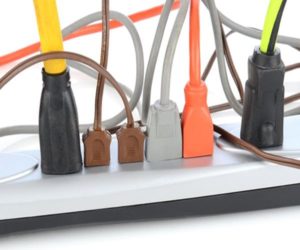
 Exposure of pregnant women to non-ionizing radiation from magnetic fields significantly raises the risk of miscarriage, says a new study from Kaiser Permanente. The study raises the question of the danger of exposure to electromagnetic fields in the general population.
Electric blankets warm you in winter and save on your power bills. Are they safe, too? Unfortunately no, a recent study says, especially if you are pregnant.
Electric blankets and many other environmental sources such as power lines, wireless devices and networks generate extremely low frequency (ELF) electromagnetic fields, called non-ionizing radiation.
High exposure to non-ionizing radiation significantly raises the risk of miscarriage, according to the study by Kaiser Permanente published in Nature last week.
The study examined the effect of non-ionizing radiation from magnetic fields on 913 pregnant women by asking them to wear a small magnetic-field (MF) monitoring device while recording their regular activities for a day.
After controlling for other factors, researchers examined the rate of miscarriages after classifying participants into either a “low” or “high” non-ionizing radiation exposure level, with the “low” group comprising of women who faced less than 2.5 mG of exposure.
Results showed women in the higher exposure group had more than double the risk of miscarriage than women in the low group. About 24 percent miscarried in the higher exposure group while 10 percent did in the other, the study showed.
The miscarriage rate in the higher exposure group was also higher than the rate of the general population, which is around 10 to 15 percent.
“The study provides additional evidence that exposure to high MF levels in pregnancy is associated with increased risk of miscarriage. Four other studies published during the past 15 years that examined the relationship between high MF exposure and the risk of miscarriage also support this finding,” it said.
The World Health Organization (WHO), however, says evidence does not confirm exposure to low-level electromagnetic fields has any adverse health consequences although it noted the need for further research.
“The overall weight of evidence shows that exposure to [magnetic] fields at typical environmental levels does not increase the risk of any adverse outcome such as spontaneous abortions, malformations, low birth weight, and congenital diseases,” it said.
Although no definitive correlation between ELF and adverse health effects has been found, research has confirmed that electric blankets can emit high levels of radiation depending on the heating intensity.
A 2012 survey from Korea’s Ministry of Environment showed electric blankets could emit high levels of ELF. The ministry found that raising the heating intensity of electric blankets spikes emissions three-fold.
The survey on seven types of electric blankets sold in the market showed electromagnetic waves peaked at 71.1 milliGauss when the heating intensity was set to high compared to 23.3 mG at low.
Data also showed a 10-centimeter distance from the electric blanket slashed electromagnetic waves by 90 percent, the ministry said.
The ministry cautioned against using electric blankets at a high-intensity level while noting that electric blankets approved by the National Radio Research Agency and the Korea Testing Certification carry distinctive stamps.
yjc@docdocdoc.co.kr
<© Korea Biomedical Review, All rights reserved.>
 The two small words electromagnetic fields or EMF (or one small acronym depending on your direction of thought) describe something that is part of the root cause of many terrible things that are currently plaguing man at this point in time. The new and improved methods of protection from this terrible force that are constantly being invented for us are the only saving graces we have these days.
 ‘IT MAKES THE SICK SICKER’ Mum claims ‘Wi-Fi allergy’ drove her daughter to suicide as she appeals for it be banned from schools and hospitals
 According to a study by US professor Vadoud Niri and his team at the State University of New York at Oswego, houseplants are a good way to absorb volatile chemical compounds in the air.