Tag: Cell Phone Battery Health Test
Health conditions caused by technology
EMF 0 Comments Cell Phones Safty Cell Towers EMF-home-inspection Nashville Tennessee Home inspections
 With mobile phones being used to make dinner reservations, Facebook taking friendships to a whole new level, and laptops as light as air, it is almost impossible to live without technology. However, as computers and related technology continue to advance, they can also be a huge hazard to our health. Here are things to look out for before plugging in
1. Hearing loss
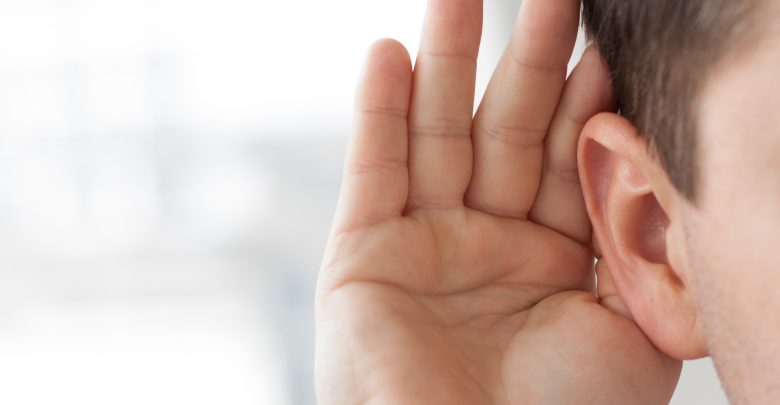
While many technological illnesses have arrived in the last 10 to 15 years, it has been more than 30 years since concerns were first raised that people could damage their hearing listening to loud music on personal stereos. France even banned manufacturers from selling gadgets capable of producing sounds above a certain level.
2. Headaches
For years, the debate has raged over whether mobile phones are harmful, but studies have shown there is a link between headaches and mobile use. Research commissioned by phone manufacturers in 2008 found that making a call shortly before going to bed can affect quality of sleep, which can lead to headaches the next day.
3. Repetitive strain injury
It used to be factory workers, dressmakers and musicians who were most at risk from repetitive strain injury. But now office workers can suffer from the condition after spending too many hours using a keyboard. Repeated use of fingers, wrists, arms and shoulders can lead to damage which, over time, the body is unable to repair. That’s why preventative steps, such as regular breaks, are advised.
4. Acne and allergies
Cleansing your face before bed may not be enough to keep pesky acne at bay. Cellphones can be covered in bacteria, causing oils to collect when placed against the face. The result? Unwanted pimples on cheeks and chins. You could also get an allergic reaction such as dermatitis. Just another reason to put the phone on speaker, use a headset, stick to texting, or speak to someone in person.
5. Wrist pain
Carpel tunnel, one cause of wrist pain, can occur from excessive typing. Often shrugged off as a slight cramp, a muscle pull, or a muscle spasm, carpel tunnel syndrome is a serious nerve disorder, depending upon the intensity, which occurs at the wrist leading to pain, sensory changes and loss of function within the hand. Numbness in the fingers, especially thumb, index and middle finger, burning, tingling sensation in the palm, pain radiating in upward direction of the hand, tightening of joints and fingers and poor grip while holding objects are a few lethal symptoms of carpel tunnel syndrome. So, ease up on the tweets and take a break from the computer, or at least keep the keyboard low enough so the wrist doesn’t bend upwards.
7. Phantom ringing syndrome
This is when you think that your phone is buzzing in your pocket. Research shows 70 per cent of people who self-categorise as heavy mobile users have reported experiencing phantom buzzing in their pocket. It’s all thanks to misplaced response mechanisms in our brains. Whenever we feel any tingling in our leg we get a burst of neurotransmitters from our brain that can cause either anxiety or pleasure and prompt us to action. Instead of reacting to this sensation like it is a few wayward tingling nerves, we react as if it’s something we have to attend to right now.
8. Nomophobia
Nomophobia tends to be the anxiety that arises from not having access to one’s mobile device. The term “Nomophobia” is an abbreviation of “no-mobile phobia.” Nomophobia is the marked increase in anxiety some people feel when they are separated from their phones. While phone addiction may sound like a petty first world problem, the disorder is fast penetrating less developed countries causing mental and physical health problems. So much so that the condition has found its way into the most recent edition of the Diagnostic and Statistical Manual of Mental Disorders (DSM-5). You see people pull out their phones and two minutes later do it again even though nothing has taken place. That’s driven by reflex action as well as by anxiety to make sure we haven’t missed out on anything. It’s all part of the FOMO (Fear Of Missing Out) reaction.
9. Sleep depriviation
Counting sheep ain’t cutting it? It may be from cuddling up with your phone and laptop in bed. The artificial light from screens can suppress the release of melatonin, which helps us sleep. Swap the computer for a book before hitting the hay and hopefully your sleep will come a bit more easily.
10. Electromagnetic sensitivity
From Wi-Fi to mobile phone signals, we’re surrounded by wireless communications and, for some people, exposure to electromagnetic fields is making them ill. Symptoms range from acute headaches and skin burning to muscle-twitching and chronic pain. Some Americans have been forced to move to areas where wireless communications are tightly controlled.
Cbc Cell Phone Health, Cell Phone Affect On Health, Cell Phone Affects Health, Cell Phone And Health, Cell Phone And Health Issues, Cell Phone And Health Risks, Cell Phone Antenna Health, Cell Phone Battery Health Test, Cell Phone Cause Health Problems, Cell Phone Dangers To Health, Cell Phone Effect On Human Health, Cell Phone Effect On Mental Health, Cell Phone Effects On Health, Cell Phone Electromagnetic Radiation Health, Cell Phone Exposure And Health, Cell Phone Eye Health
Read MoreNew cell phone and health studies don’t eliminate uncertainty
EMF 0 Comments Cell Phones Safty Cell Towers EMF-home-inspection Nashville Tennessee Home inspections Wi-Fi
Two long-awaited studies of how cell phone radiation affects the health of mice and rats, released yesterday, are giving scientists plenty to think about – but the findings won’t resolve the decades-old uncertainty surrounding the issue.
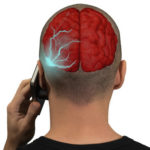 The voluminous but sometimes puzzling results also aren’t likely to prompt U.S. agencies or other bodies to immediately change how they regulate the ubiquitous devices or view their health risks.
Questions over whether cell phones harm health have persisted for decades. The devices emit non-ionizing, electromagnetic radiation of the sort that heats food in a microwave oven, but scientists have struggled to conclusively link cell phone use to cancers or other illnesses.
In a bid to clarify matters, the U.S. Food and Drug Administration (FDA), which plays a key role in developing U.S. cell phone regulations, asked the National Toxicology Program (NTP) at the National Institutes of Health to launch studies examining the issue. Yesterday, NTP released two studies conducted as part of a $25 million research program.
In the studies, which lasted 2 years, rats and mice of both sexes ran freely in specially constructed reverberation chambers where their entire bodies were exposed to radiation. The levels ranged from a low of 1.5 watts per kilogram to a high of 10/Kg, and exposures were limited to the 2G and 3G frequencies, which are still widely used for voice calls and texting. In general, the animals were exposed to radiation levels that either matched or exceeded what’s permissible under current U.S. regulations.
Exposures began during pregnancy and then continued nine hours a day for 2 years, “which is not a situation that most people will encounter when using cell phones,” said John Bucher, a senior scientist at NTP who co-directed the study. “Though it does allow us to explore the potential for biological effects if they’re going to occur.”
The study’s strongest finding was that male rats had an elevated risk of developing tumors, called malignant schwannomas, in the connective tissues surrounding nerves in the heart. Sex- and species-dependent increases were also observed for lymphoma, as well as cancers of the prostate, skin, lung, liver and brain, but these findings were weaker by comparison and possibly due to causes other than radiation. Similarly, the researchers observed non-cancerous health effects — including lower birth weights, evidence of DNA damage, and heart conditions – among exposed rats, although it was not always clear if the conditions were caused by radiation exposure.
In a counterintuitive result, male rats and mice exposed to radiation lived longer, and had lower levels of age-related kidney disease, than males not exposed to radiation.
Early reactions to the findings suggest they will not dramatically reshape the debate over cell phone safety. Both critics and supporters of current risk evaluations and safety standards claim the studies support their points of view.
The new findings are “incredibly important,” says David Carpenter, a public health physician at the University of Albany, New York, who has long warned of cell phone dangers. “I think this is the first clear evidence showing that these sorts of radiofrequency fields increase risks for all kinds of cancer,” he says, noting that malignant schwannomas have been detected in previous human studies of cell phone risk. He believes that more of the associations between radiation exposure and rodent disease could have reached statistical significance had the study included a larger number of animals.
Jonathan Samet, who led a prominent international scientific panel that concluded that cell phone radiation was a “probable” human carcinogen, predicts the new studies won’t “nudge that classification in one direction or another.” The panel led by Samet, dean of the Colorado State University School of Public Health in Fort Collins, was organized by the International Agency for Research on Cancer, a specialized agency of the World Health Organization.
The findings don’t suggest that U.S. regulations on cellphone radiation need to be tightened, said Jeffrey Shuren, director of the FDA’s Center for Devices and Radiological Health, in a statement. The new studies, when combined with previous research, have “given us the confidence that the current safety limits for cell phone radiation remain acceptable for protecting the public health.”
The NTP’s Bucher, who helped lead the new studies, says he has no intention of changing his cell phone habits.
In a statement, the U.S. National Cancer Institute noted that “often, when concerns are raised about exposures that may confer low-level risk for a rare cancer outcome—as is the case for cell phones and brain tumors—it takes time and many studies to come to a conclusion based on the weight of the evidence.” It notes that a major European study of cell phones and brain tumor risk is expected to report results later this year.
Meanwhile, external experts are scheduled to review the new NTP studies at a meeting in late March. NTP also plans to continue its animal studies in new chambers that replicate the radiation produced by the current generation of 4G cell phones.
Read More