OAKLAND (KPIX) — Is a cell tower going up in your neighborhood? If it’s not now, it may soon.
Wireless carriers are installing millions of them across the country to enable the new, faster 5G cellphone technology. While many are looking forward to faster cell service, many are also asking: Are there legitimate health concerns?
That question is keeping John Hiestand up at night. Outside his bedroom window he can see a new pole where Verizon will soon install a next-generation cell tower.
“This would be a big tower generating lots of RF outside of our bedroom window 24 hours a day, 7 days a week for many years,” he said.
It’s called a “small cell” or “distributed antenna system.” The industry says they’re safe. Many in Piedmont aren’t convinced – including the Hiestands.
“Our daughter is a cancer survivor,” John Hiestand explained.
Thirteen-year-old Sophia Hiestand has been one of many petitioning the city council to deny this cell tower.
“I mostly talked about my cancer and how it affected me, even though you’re not supposed to talk about health issues, I still did,” Hiestand said.
However, according to federal law the city simply can’t consider health concerns. It’s outlined in a small section of the Telecommunications Act, based on science from 1996, back when we were still talking on cellphones that looked like bricks.
“I find it really unfair,” said Hiestand.
If cities do consider health, cell companies can sue them.
So, with few legal arguments to deny a tower, they’re popping up outside bedroom windows and school campuses, despite objections from across the country.
“5G can be a tremendous boom to California but only if it can be put up quickly and easily,” said Hayward Assembly member Bill Quirk. Quirk co-authored legislation that would make it even harder for cities like Piedmont to object to a tower.
“You wouldn’t have to go through the planning commission, through the city council,” Quirk explained.
Quirk, a former NASA scientist, says he may resurrect the bill that was recently vetoed by governor Brown.
“I know scientifically that putting up these cell phone towers is safe,” he said.
But the International Association of Frefighters disagrees. It began opposing cell towers on fire stations, after firefighters complained of health problems.
“These firefighters developed symptoms,” says Dr. Gunnar Heuser who conducted a pilot study on firefighters at a station with cell towers.
“The symptoms included problems with memory, problems with intermittent confusion, problems with weakness,” Heuser said.
Heuser says their brain scans suggest even low-level RF can cause cell damage and he worries about more vulnerable groups like kids.
“We found abnormal brain function in all of the firefighters we examined,” Heuser said.
So, following lobbying by firefighters, assemblyman Quirk and his co-author exempted fire stations from their bill, making them one place cell companies couldn’t put a tower.
“This is the first piece of legislation that anyone is aware of where somebody got an exemption because they were concerned about health. Did they tell you at all about the study?” we asked the assemblyman.
Quirk’s response: “All I know is that when the firefighters ask, I do what they ask me to do.”
“Because they are strong lobbyists?” we asked him. His response: “Yes.”
“So if school teachers and parents had a strong lobby and they ask you to pass something that would prevent these from going up near schools, would you do that?” we asked Quirk.
His response: “If I couldn’t get the votes any other way!”
“It’s not only the firefighters, it’s the people that live within the vicinity of these towers,” Stefani said.
Anthony Stefani started with the San Francisco Fire Department in 1974. The 28-year veteran retired as the captain of Rescue 1 in 2003.
Stefani notes that current regulations don’t take into account continuous low-level exposure from these small cells 24-hours a day. He also says some fellow firefighters reported that their symptoms disappeared when they move to a station without a tower.
“More of these studies have to be done,” he says.
Many international scientists agree. More than 230 scientists from 41 nations — who have published over 2,000 peer-reviewed papers on electromagnetic fields and biology and health — have signed the International EMF Scientist Appeal.
They cite “serious concerns” about “increasing exposure to EMF” based on “numerous recent scientific publications” linking low levels of wireless radiation to health effects.
They’re calling for stronger regulations, disclosure about wireless industry ties to regulatory agencies, and they want publicly funded studies on the health effects of EMF emitting devices/base stations (i.e. cell towers).
“I do not believe that there is any health impact on firefighters or anyone else, from cells, period!” Assemblyman Quirk asserted. However he added, “I think doing more studies is always a good thing.”
Considering the the circumstances, we asked Quirk: “Do you think that maybe you should consider putting a pause on legislation that speeds up these towers until there is definitive evidence that there is no harm?”
His’s response: “We can do a lot of studies and there are people right now believe it or not who are sure the world is flat.”
In a statement the CTIA says it defers to the experts when it comes to the safety of cellular telephones and antennas:
“According to the U.S. Food and Drug Administration, the Federal Communications Commission, the World Health Organization, the American Cancer Society and numerous other international and U.S. organizations and health experts, the scientific evidence shows no known health risk due to the RF energy emitted by cellphones.
Likewise, the FCC monitors scientific research on a regular basis and its standards for RF exposure are based on recommended guidelines adopted by U.S. and international standard-setting bodies. That’s why the FCC has determined that all wireless phones legally sold in the United States are “safe.” This scientific consensus has stayed the same even after the NTP’s release in 2016 of its partial findings in a study involving cellphones and lab animals.
The FCC also sets exposure limits for cell site antennas that transmit signals to phones. Those limits, like the limits for cell phones, are even more conservative than standards adopted by leading international standards bodies such as the Institute of Electrical and Electronics Engineers (IEEE) and the International Commission on Non-Ionizing Radiation Protection (ICNIRP).
The FCC states that typical ground exposures to base station antennas are “hundreds to thousands of times less than the FCC’s limits for safe exposure” and “there is no reason to believe that such [antennas] could constitute a potential health hazard” to nearby residents.”
The World Heath Organization’s International Agency for Research on Cancer has classified RF radiation as possibly carcinogenic to humans. Though the cell phone industry stresses there are “no known health risks.”
What about the unknown? Well, back in Piedmont the Hiestands don’t want to wait around to find out.
“We are going to get some meters. We’re going to measure the micro-radiation today and then when the cell towers go up, we can measure it and see how dangerous it really is,” said John Hiestand. He says if he has to they’ll move.
“For my daughter’s health, definitely,” he said.
Piedmont was able to temporarily block permits for some small cell towers but now the company installing them for Verizon, Crown Castle, is suing the city.
Meanwhile new research set to be published next month could radically alter the debate. For the first time it establishes a scientific link between RF radiation and cancer in lab rats:
In response, the Chief Medical Director of the American Cancer Society said this first-of-its-kind government study “marks a paradigm shift in our understanding of radiation and cancer risk.”
The voluminous but sometimes puzzling results also aren’t likely to prompt U.S. agencies or other bodies to immediately change how they regulate the ubiquitous devices or view their health risks.
Questions over whether cell phones harm health have persisted for decades. The devices emit non-ionizing, electromagnetic radiation of the sort that heats food in a microwave oven, but scientists have struggled to conclusively link cell phone use to cancers or other illnesses.
In a bid to clarify matters, the U.S. Food and Drug Administration (FDA), which plays a key role in developing U.S. cell phone regulations, asked the National Toxicology Program (NTP) at the National Institutes of Health to launch studies examining the issue. Yesterday, NTP released two studies conducted as part of a $25 million research program.
In the studies, which lasted 2 years, rats and mice of both sexes ran freely in specially constructed reverberation chambers where their entire bodies were exposed to radiation. The levels ranged from a low of 1.5 watts per kilogram to a high of 10/Kg, and exposures were limited to the 2G and 3G frequencies, which are still widely used for voice calls and texting. In general, the animals were exposed to radiation levels that either matched or exceeded what’s permissible under current U.S. regulations.
Exposures began during pregnancy and then continued nine hours a day for 2 years, “which is not a situation that most people will encounter when using cell phones,” said John Bucher, a senior scientist at NTP who co-directed the study. “Though it does allow us to explore the potential for biological effects if they’re going to occur.”
The study’s strongest finding was that male rats had an elevated risk of developing tumors, called malignant schwannomas, in the connective tissues surrounding nerves in the heart. Sex- and species-dependent increases were also observed for lymphoma, as well as cancers of the prostate, skin, lung, liver and brain, but these findings were weaker by comparison and possibly due to causes other than radiation. Similarly, the researchers observed non-cancerous health effects — including lower birth weights, evidence of DNA damage, and heart conditions – among exposed rats, although it was not always clear if the conditions were caused by radiation exposure.
In a counterintuitive result, male rats and mice exposed to radiation lived longer, and had lower levels of age-related kidney disease, than males not exposed to radiation.
Early reactions to the findings suggest they will not dramatically reshape the debate over cell phone safety. Both critics and supporters of current risk evaluations and safety standards claim the studies support their points of view.
The new findings are “incredibly important,” says David Carpenter, a public health physician at the University of Albany, New York, who has long warned of cell phone dangers. “I think this is the first clear evidence showing that these sorts of radiofrequency fields increase risks for all kinds of cancer,” he says, noting that malignant schwannomas have been detected in previous human studies of cell phone risk. He believes that more of the associations between radiation exposure and rodent disease could have reached statistical significance had the study included a larger number of animals.
Jonathan Samet, who led a prominent international scientific panel that concluded that cell phone radiation was a “probable” human carcinogen, predicts the new studies won’t “nudge that classification in one direction or another.” The panel led by Samet, dean of the Colorado State University School of Public Health in Fort Collins, was organized by the International Agency for Research on Cancer, a specialized agency of the World Health Organization.
The findings don’t suggest that U.S. regulations on cellphone radiation need to be tightened, said Jeffrey Shuren, director of the FDA’s Center for Devices and Radiological Health, in a statement. The new studies, when combined with previous research, have “given us the confidence that the current safety limits for cell phone radiation remain acceptable for protecting the public health.”
The NTP’s Bucher, who helped lead the new studies, says he has no intention of changing his cell phone habits.
In a statement, the U.S. National Cancer Institute noted that “often, when concerns are raised about exposures that may confer low-level risk for a rare cancer outcome—as is the case for cell phones and brain tumors—it takes time and many studies to come to a conclusion based on the weight of the evidence.” It notes that a major European study of cell phones and brain tumor risk is expected to report results later this year.
Meanwhile, external experts are scheduled to review the new NTP studies at a meeting in late March. NTP also plans to continue its animal studies in new chambers that replicate the radiation produced by the current generation of 4G cell phones.
(Reuters) – Male rats exposed to very high levels of the kind of radiation emitted by cellphones developed tumours in the tissues around their hearts, according to a draft report by U.S. government researchers on the potential health risks of the devices.
Female rats and mice exposed in the same way did not develop tumours, according to the preliminary report from the U.S. National Toxicology Program (NTP), a part of the National Institute of Environmental Health Sciences.
The findings add to years of research meant to help settle the debate over whether cellphone radiation is harmful.
Although intriguing, the findings can not be extrapolated to humans, NTP scientists and the U.S. Food and Drug Administration (FDA) said on Friday. They noted that the animal studies were meant to test extreme exposures to cell phone radiation, and that current safety limits on cellphone radiation are protective.
However, the two 10-year, $25 million studies – the most comprehensive assessments of health effects and exposure to radiofrequency radiation in rats and mice to date – do raise new questions about exposure to the ubiquitous devices.
In the studies, about 6 percent of male rats whose entire bodies were exposed to the highest level of cell phone radiation developed schwannomas – a rare type of tumour – in nerve tissue near their hearts, while there were no schwannomas in animals that were not exposed to radiation.
“The intriguing part of this is the kind of tumours we saw were similar to tumours noted for quite some time in some epidemiological studies in heavy duty cellphone users,” John Bucher, a senior scientist with NTP, said in a telephone interview.
“Of course, these were in the nerves in the ear and next to the brain, but the tumour types were the same as we saw in the heart.”
Dr. Otis Brawley, chief medical officer of the American Cancer Society, noted that the studies were negative for common tumours.
“These draft reports are bound to create a lot of concern, but in fact they won’t change what I tell people: the evidence for an association between cellphones and cancer is weak, and so far, we have not seen a higher cancer risk in people,” he said in a statement on Twitter.
Brawley said if cellphone users are concerned about this data in animals they should wear an earpiece.
Unlike ionizing radiation such as that from gamma rays, radon and X-rays, which can break chemical bonds in the body and are known to cause cancer, radiofrequency devices such as cellphones and microwaves emit radiofrequency energy, a form of non-ionizing radiation.
The concern with this type of radiation is that it produces energy in the form of heat, and frequent exposure against the skin could alter brain cell activity, as some studies have suggested.
In the NTP study, rats and mice were exposed to higher levels of radiation for longer periods of time than what people experience with even the highest level of cellphone use, and their entire bodies were exposed all at once, according to the draft report.
Bucher said the effect likely only showed up in the male rats because they were larger, and likely absorbed more radiation than the female rats or mice.
Cellphones typically emit lower levels of radiation than maximum levels allowed, the draft report said.
Cellphone radiation quickly dissipates, so the risk, if any, would be to areas of the body in close proximity to the device emitting the radiation, Bucher said.
He said the findings are intended to help inform the design of future cell phone technologies. The study looked at only 2G and 3G frequencies, which are still commonly used for phone calls. It does not apply to 4G or 5G, which use different frequencies and modulation, he said.
NTP, a part of the National Institutes of Health, will hold an external expert review of its findings on March 26-28.
Dr. Jeffrey Shuren, head of the FDA’s radiological health division, said there is not enough evidence to say cellphone use poses health risks to people.
“Even with frequent daily use by the vast majority of adults, we have not seen an increase in events like brain tumours,” he said in a statement. “We believe the current safety limits for cellphones are acceptable for protecting the public health.”
Asked what the public should take from the study, Bucher said, “I wouldn’t change my behaviour based on these studies, and I haven‘t.”
Nevertheless, the findings are potentially a concern for device makers, especially the world’s three biggest smartphone sellers, Apple Inc, Korea’s Samsung Electronics Co Ltd and China’s Huawei Technologies.
The CTIA, the trade association representing AT&T Inc, Verizon Communications Inc, Apple Inc, Sprint Corp, DISH Network Corp, and others, said on Friday that previous studies have shown cellphone RF energy emissions have no known heath risks.
”We understand that the NTP draft reports for its mice and rat studies will be put out for comment and peer review so that their significance can be assessed,” the group said.
Samsung and Apple did not immediately respond to requests for comment.
Reporting by Bill Berkrot and Caroline Humer in New York, David Shepardson in Washington and Stephen Nellis in San Francisco; Editing by Susan Thomas and Diane Craft
I’ve gotten the question here on the show for years. And it’s natural to wonder about it. When you put your phone against your head, is the radiation that’s emitted doing physical harm to your body?
It begged the question no one wanted to ask or know the answer to, will using your phone give you cancer?
Living off grid, in the woods, away from all tech not such a loony idea after all
Analysis A study of 913 pregnant women in the San Francisco Bay Area, California, found those exposed to high levels of magnetic field (MF) non-ionizing radiation had a 2.72x higher risk of miscarriage than those exposed to low MF levels.
The Kaiser Permanente study, “Exposure to Magnetic Field Non-Ionizing Radiation and the Risk of Miscarriage: A Prospective Cohort Study,” was published this month in the journal Scientific Reports.
The authors, Kaiser researchers De-Kun Li, Hong Chen, Jeannette R. Ferber, Roxana Odouli, and Charles Quesenberry, say their findings add to the evidence that “MF non-ionizing radiation could have adverse biological impacts on human health.”
Mobile phones and Wi-Fi transmitters fire out radio-frequency MF radiation, but are not the only sources of such emissions; as such the study should not be construed as a specific indictment of those devices. Indeed, rather worry solely about smartphones or wireless networks peppering you with radiation, being surrounded by everyday electrical things – from fridges and freezers to hairdryers and clothes irons – may be more harmful than you may think. Possibly.
“In this study, we found an almost three-fold increased risk of miscarriage if a pregnant woman was exposed to higher MF levels compared to women with lower MF exposure,” the study says. “The association was independent of any specific MF exposure sources or locations, thus removing the concern that other factors connected to the sources of the exposure might account for the observed associations.”
Threshold
Study participants were classified in four MF exposure groups – <2.5mG; 2.5–3.6mG; 3.7–6.2mG; and ≥6.3mG – based on 24 hours of measurements with an EMDEX Lite meter as a representation of daily exposure. The researchers did not find the miscarriage risk increased with doses above 2.5mG, leading them to theorize that 2.5mG represents a threshold level for health effects.
In an email to The Register, Dr De-Kun Li, senior research scientist at the research division of Kaiser Permanente Northern California, said: “Please keep in mind that our study was not specifically designed to study radio-frequency magnetic fields, which are more applicable to cell phones and Wi-Fi. Also, we are at an early stage in understanding the health effects of magnetic fields; this is not a settled issue.”
Li said past studies of magnetic fields suffered from poor methods of measurement.
“The controversy over health effects from electromagnetic fields is, to a large extent, a product of earlier studies that did not find many associations between EMF and health risk,” he said. “Looking back, the main reason for the ‘negative findings’ is that those studies were not able to actually measure EMF exposure. When one can’t measure an exposure (e.g., EMF), the ‘study finding,’ by definition, won’t be able to find any association, thus negative findings. This applies to any study, not just those related to EMF. (For example, if one can’t measure the amount of calorie intake, one would conclude that calorie intake has nothing to do with being overweight.)”
Li said his group’s study supports the previously reported association between exposure to high MF levels in pregnancy and the risk of miscarriage, which has been suggested in at least seven other studies.
As Li observed, there is no scientific consensus that MF exposure harms human health. According to the National Cancer Institute, “[A]lthough many studies have examined the potential health effects of non-ionizing radiation from radar, microwave ovens, cell phones, and other sources, there is currently no consistent evidence that non-ionizing radiation increases cancer risk.”
The Kaiser researchers contend that the focus on studying the effect of MF radiation on cancer has made a more general focus on other health effects more difficult because the length of time required before cancer develops has led to inconclusive studies and has supported the impression that MF is entirely safe.
Emf Exposure And Autism, Emf Exposure And Pregnancy, Emf Exposure From Wifi, Emf Exposure Guidelines, Emf Exposure Health Effects, Emf Exposure Limit Is Measured In, Emf Exposure Regulations, Emf Exposure Risks, Emf Exposure Side Effects, Emf Exposure Treatment, Emf Exposure Wifi, Emf Exposure Wiki, Emf Health Canada, Emf Ionizing Radiation, Emf Occupational Exposure Limits, Emf Radiation Cell Phones, Emf Radiation Effects On Human Body, Emf Radiation In Fitbit, Emf Radiation In Schools, Emf Radiation India, Emf Radiation Ipad, Emf Radiation Sources, Emf Radiation Tanning Beds, Emf Radiation Testing, Emf Radiation Who, Emf Standards Of Exposure, Emf/ Electromagnetic Radiation Detector, Exposure To Emf, Exposure To Emf Symptoms, Occupational Emf Exposure
The invisible Wi-Fi waves are wrecking your health without your knowledge.
Whether one is a netaddict or not, staying without internet connectivity for too long sure gets us nervous. It’s a modern nightmare. So every cafe, library and club in town lures you in with promises of free Wi-Fi, so you never have to stay away from the internet for too long. This very moment, as you read, you are being bombarded with these invisible. Have you ever wondered whether Wi-Fi has any impact on your health? A science experiment conducted by Danish schoolgirls showed that garden cress wouldn’t grow around a Wi-Fi router. If plants react this badly to Wifi, how well would the human body fare?
1 Wi-Fi can cause testicular DNA damage
A study published in 2016 in the Journal of Chemical Neuroanatomy studied the effect of prolonged radiofrequency radiation emitted from Wi-Fi devices on various organs of rats. The study revealed that although the waves didn’t have much impact on other organs, they did affect the testes of the rats. The researchers concluded that the testicles were more sensitive to radiofrequency radiation. Here are some ways in which technology is affecting your health.
2 Wi-Fi raises oxidative stress levels
Another 2016 study published in the same journal had more disconcerting news. Excessive electromagnetic exposure — like from Wi-Fi devices– causes elevated levels of reactive oxygen substances (ROS) and reduced antioxidant defence system in the body. These could lead to oxidative brain and liver damage in human beings. The study conducted on rats concluded that the brain seemed to be more sensitive to oxidative injury compared to the liver in the development of newborns.2
3 Wi-Fi can disrupt kidney development in fetus
In 2004, the journal Bioelectromagnetics conducted a study on Wi-Fi exposure and found that it could lead to delayed kidney development in newborn rats.
4 Wi-Fi affects sperm motility
A study conducted in Argentina and published in the journal Fertility and Sterility in 2012 showed that Wi-Fi had the potential to alter sperm motility. Sperm samples of 29 healthy men were taken. Half was placed under a laptop and the other half elsewhere. Around 25 percent of the sperm from the semen sample placed under the laptop was found to be damaged and immobile. Here are some other things that affect sperm quality.
5 Wi-Fi causes insomnia
Maybe your insomnia doesn’t stem from stress at work. The culprit could be your Wi-Fi router. In 2013, a study described the effects of 900 MHz unmodulated and 900 MHz modulated Hz waves on the brain of rats who were sleeping. Researchers found out that just one hour of exposure to radiation every day for one month caused rats to experience a delay before went into the REM stage or deep sleep. Many people are also turning off their routers at night for a good night’s sleep.
6 Wi-Fi could be responsible for causing cancer
Constant exposure to electromagnetic fields can also pose a cancer risk. The first study in 1979 reported that the children who died from cancer lived in homes that had a higher exposure to electromagnetic fields than the others. There could also be a possible link between higher breast cancer incidences electromagnetic fields.
Reference:
1 Akdag, M. Z., Dasdag, S., Canturk, F., Karabulut, D., Caner, Y., & Adalier, N. (2016). Does prolonged radiofrequency radiation emitted from Wi-Fi devices induce DNA damage in various tissues of rats?. Journal of chemical neuroanatomy, 75, 116-122.
2 Çelik, Ö., Kahya, M. C., & Nazıroğlu, M. (2016). Oxidative stress of brain and liver is increased by Wi-Fi (2.45 GHz) exposure of rats during pregnancy and the development of newborns. Journal of chemical neuroanatomy, 75, 134-139.
3 Pyrpasopoulou, A., Kotoula, V., Cheva, A., Hytiroglou, P., Nikolakaki, E., Magras, I. N., … & Karkavelas, G. (2004). Bone morphogenetic protein expression in newborn rat kidneys after prenatal exposure to radiofrequency radiation. Bioelectromagnetics, 25(3), 216-227.
4 Doré, J. F., & Chignol, M. C. (2012). Laptop computers with Wi-Fi decrease human sperm motility and increase sperm DNA fragmentation. Fertility and sterility, 97(4), e12.
5 Mohammed, H. S., Fahmy, H. M., Radwan, N. M., & Elsayed, A. A. (2013). Non-thermal continuous and modulated electromagnetic radiation fields effects on sleep EEG of rats. Journal of Advanced Research, 4(2), 181–187. http://doi.org/10.1016/j.jare.2012.05.005
6 Caplan, L. S., Schoenfeld, E. R., O’Leary, E. S., & Leske, M. C. (2000). Breast cancer and electromagnetic fields—a review. Annals of Epidemiology, 10(1), 31-44.
A Complimentary Broadband And Wifi Health Check, Broadband And Wifi Health Check, Health Canada Wifi, Health Effects Of Wifi, Health Wifi Schools, Talktalk Broadband And Wifi Health Check, What Is The Wifi For Metro Health, Wi Fi Damages Health, Wi-fi Are There Any Health Risks, Wi-fi Health Facts, Wifi Affecting Health, Wifi Danger To Health, Wifi Health, Wifi Health Check, Wifi Health Concerns, Wifi Health Issues, Wifi Health Risks, Wifi Scale & Health Tracker, Wifi Signal Health
After numerous studies over two decades, there is no convincing evidence that cellphone use increases the risk of cancer. The consensus within the medical profession is that the health effects of regular cell phone use are quite small, if they exist at all. Some studies even show health benefits.
95% of Americans own a cell phone. Children now get their first cell phone around age 10, and most millennials keep their phones on or near them most of the day, even when they sleep.
So it would seem relevant to know whether or not it could be dangerous. But after years of study, the International Agency for Research on Cancer at the World Health Organization only classified radiofrequency electromagnetic fields as ‘possibly’ carcinogenic. Conspiracy theorists got more excited about that than the medical community.
In one study that followed more than 420,000 cellphone users over a 20-year period, researchers found no evidence of a link between cellphones and brain tumors, the obvious cancer of concern. Other studies, especially from Oxford and the Swiss Public Health Institute have also found no correlation.
Cellphones send and receive radio wave signals to and from cellphone towers. These signals are a form of electromagnetic radiation called radiofrequency (RF) energy, like that generated by TV and radio transmitters. When a phone sends signals to a tower, the RF energy goes from the phone’s antenna out in all directions, including into the head and body of the person using the phone.
Cellphones also emit RF energy when using Wi-Fi or Bluetooth, but at lower levels.
Unlike ionizing radiation like gamma rays, neutrons and alpha particles, RF does not have enough energy to split chemical bonds, such as those in compounds like DNA in our cells, which can cause cancer at really high doses.
Some think that, while RF can’t split bonds, it might heat up cells enough to cause damage. But our bodies are really good at heat regulation so you’d have to get an awful lot of dose to do anything, like put your head in a microwave oven, and there is no evidence this happens with cell phones.
(This type of RF heating is quite different from the hot phones that recently spontaneously began burning and were recalled. That was from the batteries overheating)
With years of study and billions of people using cell phones, the fact that we have no real evidence that cellphone use causes cancer means there is little need to worry about it. It’s one of those phantom worries, like low levels of radiation, that is so far below the noise of everyday risks that it’s foolish to spend any effort or money trying to guard against it. Especially since you’ll end up not spending that effort and money addressing real risks – like air pollution, eating too many carbs or driving while texting.
If holding the cell phone to your head is the real vector, then just put it on speaker or facetime, or use the hands-free option in your car. I always put my calls on speaker anyway, not for this reason, but because my old arms get tired.
Or you could just text instead…but not while driving.
Dr. James Conca is an expert on energy, nuclear and dirty bombs, a planetary geologist, and a professional speaker. Follow him on Twitter @jimconca and see his book at Amazon.com
Some people are electrically sensitive, that is they are aware of the presence of electromagnetic fields (EMFs), but are not adversely affected by them. Other people may or may not be aware of the presence of EMFs, but can become seriously ill in their presence. These people we refer to as electrically hypersensitive (EHS). People who have developed EHS have a physiological disorder, characterized by neurological and idiopathic reactions, that noticeably appear or intensify near sources of EMFs such as electrical appliances, especially VDUs (computer monitors), power lines, fluorescent lights, mobile phones, cordless phones, wireless computers (wLANs), mobile phone base stations, etc.
Some people are electrically sensitive, that is they are aware of the presence of electromagnetic fields (EMFs), but are not adversely affected by them. Other people may or may not be aware of the presence of EMFs, but can become seriously ill in their presence. These people we refer to as electrically hypersensitive (EHS). People who have developed EHS have a physiological disorder, characterized by neurological and idiopathic reactions, that noticeably appear or intensify near sources of EMFs such as electrical appliances, especially VDUs (computer monitors), power lines, fluorescent lights, mobile phones, cordless phones, wireless computers (wLANs), mobile phone base stations, etc.
Being EHS means experiencing recurring feelings of stress or illness when near an EMF source. Any noticeable, recurring ill health that is triggered by an electromagnetic field, and that diminishes or disappears away from the EMF source, constitutes a case of electrical hypersensitivity. While symptoms may diminish quickly after the exposure is reduced, it can take several days, weeks or occasionally months if the person has become severely sensitised, for the effects to disappear.
Electricity Sensitive, Electricity Sensitive Load, Power Consumption Sensitive, Power Wash Sensitive, Power Wash Sensitive Baby, Power Wash Sensitive Baby отзывы, Power Wash Sensitive Hauch, Power Wash Sensitive отзывы, Sensitive Hearing Electricity, Sensitive Power Razor, Sensitive To Electricity, Sensitive To Electricity And Electromagnetic Fields, Sensitive To Static Electricity, Static Electricity Sensitive Devices
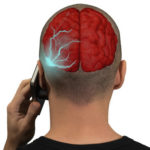 The voluminous but sometimes puzzling results also aren’t likely to prompt U.S. agencies or other bodies to immediately change how they regulate the ubiquitous devices or view their health risks.
 (Reuters) – Male rats exposed to very high levels of the kind of radiation emitted by cellphones developed tumours in the tissues around their hearts, according to a draft report by U.S. government researchers on the potential health risks of the devices.
 The invisible Wi-Fi waves are wrecking your health without your knowledge.
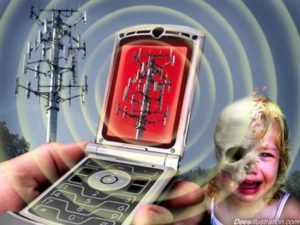 After numerous studies over two decades, there is
 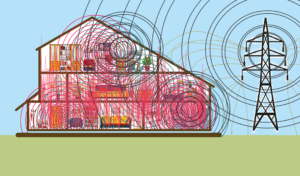 Some people are electrically sensitive, that is they are aware of the presence of electromagnetic fields (EMFs), but are not adversely affected by them. Other people may or may not be aware of the presence of EMFs, but can become seriously ill in their presence. These people we refer to as electrically hypersensitive (EHS). People who have developed EHS have a physiological disorder, characterized by neurological and idiopathic reactions, that noticeably appear or intensify near sources of EMFs such as electrical appliances, especially VDUs (computer monitors), power lines, fluorescent lights, mobile phones, cordless phones, wireless computers (wLANs), mobile phone base stations, etc.