How much more proof do we need that being online isn’t healthy for us?
The latest terrible tech research is from Kaiser Permanente, published last week in the journal Scientific Reports. In a study of hundreds of pregnant women in the Bay Area, the authors found that those who were more exposed to the kind of radiation produced by cell phones, wireless networks and power lines were nearly three times as likely to suffer miscarriages.
It goes without saying that these electromagnetic fields, or EMFs, are around every single one of us. Thanks to our insatiable demand for social media, GPS and “smart” physical devices, there will be more and more of them every year.
I was a bit surprised by the Kaiser study’s publication.
Not because I doubt its findings — it seems sensible to assume that if radiation is powerful enough to transmit data through the ether, it’s probably powerful enough to scramble our cells as well.
Plus, I live in the Bay Area.
People who don’t live here think this place is nothing more than a magnet for any and every whiz-bang tech idea.
Those of us who actually live here know that there’s a counterveiling force of skepticism to meet every single one of those ideas.
That’s why Instacart will never replace Berkeley Bowl. It’s also why San Francisco and Berkeley — cities that are awfully friendly to technology in other ways — both passed laws requiring cell phone retailers to post warning signs about radiation, citing concerns about cancer, brain tumors and reproductive health.
But there will be tremendous pushback against any research showing how dangerous this stuff may be.
An example: San Francisco’s radiation-warning law, championed by then-Mayor Gavin Newsom, passed in 2010. But after a lawsuit from the cell phone industry, the city backed off on implementing it.
Around the same time, the California Department of Public Health drew up its set of guidelines to inform the public about the risks associated with cell phone use.
The health department then sat on these guidelines — for seven years — until The Chronicle told the state it was going to publish a news story about the case, and a judge signaled that she would order them to be released.
The reason for the delay?
The health department’s lawyers claimed the agency isn’t required to warn the public of health risks that haven’t been proved (despite the fact that the information was gathered by the agency’s own scientists). The lawyers also argued that releasing the guidelines might cause the public to panic.
Well, it might be time to start panicking. More and more, it sounds like the long-term effects of our Internet habits could be dangerous, not just for our relationships and our ability to focus, but our brains and bodies as well.
To this member of the public, the small-but-growing body of EMF research looks like anti-tobacco research must have looked in the 1950s — necessary and important work that will surely gain researchers an ugly, uphill battle against better-funded opponents.
Even more disconcerting?
Once scientists knew how dangerous tobacco was, the public could clearly and simply understand how to prevent those dangers: stop smoking.
But I’m not sure there’s any way to turn back the clock on EMFs.
I read the story about Kaiser’s new study on my cell phone, traveling between my office (which is replete with Wi-Fi networks) and my home (same). I happened to be traveling on BART, so when I put my phone down I studied the passengers around me.
Every sitting passenger was hunched over their phone, as if in prayer. The strap-hangers held their phones in front of their faces; the blue screens glided through the air like fish in an aquarium. All of this was normal, if vaguely depressing; a pageant I see and participate in every day.
But I also noticed, as if for the first time, how many people were wearing wireless Airpods and other earbuds. They wore them with a certain pride of ownership, as if they were in on a secret the rest of us were yet to learn.
I watched them, and thought about the public health guidelines that went unreleased for seven years. I thought about how the guidelines suggested removing headsets as soon as calls are over, and keeping the phone away from your body.
I thought about how many recent cell phone “improvements” chip away at that guidance. Then I lifted my phone from my lap and dropped it in my bag, out of sight.
Have you ever wondered if your microwave oven leaks radiation? If so, it turns out there is a pretty simple test to check the radiation ‘seal’ on your microwave oven. We all want to make sure we are not exposed to the rays that turn frozen foods into ready-to-eat meals in minutes.
In fact, the process of ‘cooking’ foods in a microwave oven is pretty interesting. Microwaves ‘excite’ the water molecules within the food to cause it to rapidly heat up.
As you would expect, this radiation can’t be allowed to bathe your kitchen when in operation. Devices like microwave ovens must go through rigorous testing before they can be released for general use. Let’s join Physics Girl as she tests whether some microwaves can, in fact, leak radiation.
The radiation test
A fascinating, if not slightly disconcerting video by Physics Girl shows us we should probably check our microwave ovens. Her simple experiment shows us that there is an easy and effective way to check the integrity of the radiation shielding on your kitchen appliance.
Microwave ovens, like cell phones, emit radiation in a specific band of EM frequencies. So you might expect that by placing your phone inside a microwave and closing the door the signal would be blocked by the microwave shell. It would also be reasonable to assume that you shouldn’t be able to ring the phone once inside. But Physics Girl’s test shows that with some microwave ovens you can! This was surprising, to say the least.
Faraday cages are supposed to ‘shield’ anything inside them from external electromagnetic fields, like electricity. They work when an electric field or other electromagnetic waves, like those from cellular phones, cause electrons in the metal to move and create an electric field to exactly oppose and cancel out the external wave or field.
They hypothesized that the radiation could be exploiting ‘holes‘ in the shielding of the door allowing the microwave oven to leak radiation. As Physics Girl points out, her experiments show that some microwaves do let the specific frequencies of mobile phones through, providing clear evidence that some form of radiation leakage is possible within these appliances.
Physics Girl does note that her experiment had a very small sample size, did not take into consideration the microwave oven’s age or the proximity of it to a cellular tower. These variables could affect the results.
Should you be worried?
FDA regulations actually allow for a small amount of leakage from microwaves, about 5 mW/cm2. The radiation itself is non-ionising so won’t damage your DNA directly, rather it will excite the water within your soft tissues.
The FDA does warn that high exposure to microwaves can lead to a painful burn. Organs like eyes and testes are particularly vulnerable because they have relatively little blood flow to carry away the heat. Also, the lens of the human eye is very sensitive to heat. High levels of microwaves could cause cataracts.
The FDA does note that this kind of damage would require a large amount of radiation.
So should you be concerned if you microwave oven leaks radiation? Well no. You are more likely to hurt yourself from a heated glass of water than the radiation itself. The radiation will not be in a high enough dose to cause you any harm.
Convection Microwave Oven Health, Microwave Oven And Health Care Caution, Microwave Oven Dangers Snopes, Microwave Oven Dangers Studies, Microwave Oven Dangers To Health, Microwave Oven Emits Radiation, Microwave Oven Harmful To Health, Microwave Oven Health And Safety, Microwave Oven Health Dangers, Microwave Oven Health Issues, Microwave Oven Health Safety, Microwave Oven Impact On Health, Microwave Oven Ionizing Radiation, Microwave Oven Is Dangerous For Health, Microwave Oven Radiation Effects On Food, Microwave Oven Radiation Effects On Human Body, Microwave Oven Radiation Shield, Microwave Oven Radiation Source, Microwave Oven Radiation Testing, Microwave Oven Repair Dangers
Exposure of pregnant women to non-ionizing radiation from magnetic fields significantly raises the risk of miscarriage, says a new study from Kaiser Permanente. The study raises the question of the danger of exposure to electromagnetic fields in the general population.
Non-ionizing radiation from magnetic fields is produced when electric devices are in use and electricity is flowing. It is ubiquitous in modern life, because it can be generated by commonly used devices, including electric appliances, power lines and transformers, wireless devices and wireless networks.
Humans are exposed to magnetic fields when they are in close proximity to these sources while they are in use.
The health hazards from ionizing radiation — the type of radiation most people think of when they think of radiation — are well-established, and they include radiation sickness, cancer and genetic damage.
However, the evidence of health risks to humans from non-ionizing radiation remains limited, said study leader Dr. De-Kun Li, a reproductive and perinatal epidemiologist at the Kaiser Permanente Division of Research in Oakland, California.
“Few studies have been able to accurately measure exposure to magnetic field non-ionizing radiation,” said Li. “In addition, due to the current lack of research on this subject, we don’t know the biological threshold beyond which problems may develop, and we also don’t yet understand the possible mechanisms for increased risks.
For Li’s study, women with confirmed pregnancies wore a small (a bit larger than a deck of cards) magnetic-field monitoring device for 24 hours. Participants also kept a diary of their activities on that day, and were interviewed in person to better understand how typical their activities were on the day they were monitored.
Researchers controlled for multiple variables known to influence the risk of miscarriage, including nausea/vomiting, past history of miscarriage, alcohol use, caffeine intake, and maternal fever and infections.
The women were divided into four groups of exposure — from lowest to highest.
The researchers found that miscarriage occurred in 10.4 percent of the women who were exposed to the lowest levels of electromagnetic fields, and 24.2 percent in women exposed to higher levels. The rate of miscarriage in the general population is between 10 and 15 percent. The increase was almost threefold, said Li.
“This study provides evidence from a human population that magnetic field non-ionizing radiation could have adverse biological impacts on human health,” he said.
“We hope that the finding from this study will stimulate much-needed additional studies into the potential environmental hazards to human health.”
The study was published in the journal Scientific Reports.
An earlier study published in Reproductive BioMedicine, found that men who talk on a cellphone for at least an hour every day double their risk of infertility. Researchers found that men who talked on their cellphones for more than an hour a day had a 60.9 percent chance of having abnormal sperm counts compared to 35.7 percent of the general population. Men who talked on their phones while they were charging had an even higher risk — 66 percent.
Electric blankets warm you in winter and save on your power bills. Are they safe, too? Unfortunately no, a recent study says, especially if you are pregnant.
Electric blankets and many other environmental sources such as power lines, wireless devices and networks generate extremely low frequency (ELF) electromagnetic fields, called non-ionizing radiation.
High exposure to non-ionizing radiation significantly raises the risk of miscarriage, according to the studyby Kaiser Permanente published in Nature last week.
The study examined the effect of non-ionizing radiation from magnetic fields on 913 pregnant women by asking them to wear a small magnetic-field (MF) monitoring device while recording their regular activities for a day.
After controlling for other factors, researchers examined the rate of miscarriages after classifying participants into either a “low” or “high” non-ionizing radiation exposure level, with the “low” group comprising of women who faced less than 2.5 mG of exposure.
Results showed women in the higher exposure group had more than double the risk of miscarriage than women in the low group. About 24 percent miscarried in the higher exposure group while 10 percent did in the other, the study showed.
The miscarriage rate in the higher exposure group was also higher than the rate of the general population, which is around 10 to 15 percent.
“The study provides additional evidence that exposure to high MF levels in pregnancy is associated with increased risk of miscarriage. Four other studies published during the past 15 years that examined the relationship between high MF exposure and the risk of miscarriage also support this finding,” it said.
The World Health Organization (WHO), however, says evidence does not confirm exposure to low-level electromagnetic fields has any adverse health consequences although it noted the need for further research.
“The overall weight of evidence shows that exposure to [magnetic] fields at typical environmental levels does not increase the risk of any adverse outcome such as spontaneous abortions, malformations, low birth weight, and congenital diseases,” it said.
Although no definitive correlation between ELF and adverse health effects has been found, research has confirmed that electric blankets can emit high levels of radiation depending on the heating intensity.
A 2012 survey from Korea’s Ministry of Environment showed electric blankets could emit high levels of ELF. The ministry found that raising the heating intensity of electric blankets spikes emissions three-fold.
The survey on seven types of electric blankets sold in the market showed electromagnetic waves peaked at 71.1 milliGauss when the heating intensity was set to high compared to 23.3 mG at low.
Data also showed a 10-centimeter distance from the electric blanket slashed electromagnetic waves by 90 percent, the ministry said.
The ministry cautioned against using electric blankets at a high-intensity level while noting that electric blankets approved by the National Radio Research Agency and the Korea Testing Certification carry distinctive stamps.
The invisible Wi-Fi waves are wrecking your health without your knowledge.
Whether one is a netaddict or not, staying without internet connectivity for too long sure gets us nervous. It’s a modern nightmare. So every cafe, library and club in town lures you in with promises of free Wi-Fi, so you never have to stay away from the internet for too long. This very moment, as you read, you are being bombarded with these invisible. Have you ever wondered whether Wi-Fi has any impact on your health? A science experiment conducted by Danish schoolgirls showed that garden cress wouldn’t grow around a Wi-Fi router. If plants react this badly to Wifi, how well would the human body fare?
1 Wi-Fi can cause testicular DNA damage
A study published in 2016 in the Journal of Chemical Neuroanatomy studied the effect of prolonged radiofrequency radiation emitted from Wi-Fi devices on various organs of rats. The study revealed that although the waves didn’t have much impact on other organs, they did affect the testes of the rats. The researchers concluded that the testicles were more sensitive to radiofrequency radiation. Here are some ways in which technology is affecting your health.
2 Wi-Fi raises oxidative stress levels
Another 2016 study published in the same journal had more disconcerting news. Excessive electromagnetic exposure — like from Wi-Fi devices– causes elevated levels of reactive oxygen substances (ROS) and reduced antioxidant defence system in the body. These could lead to oxidative brain and liver damage in human beings. The study conducted on rats concluded that the brain seemed to be more sensitive to oxidative injury compared to the liver in the development of newborns.2
3 Wi-Fi can disrupt kidney development in foetus
In 2004, the journal Bioelectromagnetics conducted a study on Wi-Fi exposure and found that it could lead to delayed kidney development in newborn rats.
4 Wi-Fi affects sperm motility
A study conducted in Argentina and published in the journal Fertility and Sterility in 2012 showed that Wi-Fi had the potential to alter sperm motility. Sperm samples of 29 healthy men were taken. Half was placed under a laptop and the other half elsewhere. Around 25 percent of the sperm from the semen sample placed under the laptop was found to be damaged and immobile. Here are some other things that affect sperm quality.
5 Wi-Fi causes insomnia
Maybe your insomnia doesn’t stem from stress at work. The culprit could be your Wi-Fi router. In 2013, a study described the effects of 900 MHz unmodulated and 900 MHz modulated Hz waves on the brain of rats who were sleeping. Researchers found out that just one hour of exposure to radiation every day for one month caused rats to experience a delay before went into the REM stage or deep sleep. Many people are also turning off their routers at night for a good night’s sleep.
6 Wi-Fi could be responsible for causing cancer
Constant exposure to electromagnetic fields can also pose a cancer risk. The first study in 1979 reported that the children who died from cancer lived in homes that had a higher exposure to electromagnetic fields than the others. There could also be a possible link between higher breast cancer incidences electromagnetic fields.
Reference:
1 Akdag, M. Z., Dasdag, S., Canturk, F., Karabulut, D., Caner, Y., & Adalier, N. (2016). Does prolonged radiofrequency radiation emitted from Wi-Fi devices induce DNA damage in various tissues of rats?. Journal of chemical neuroanatomy, 75, 116-122.
2 Çelik, Ö., Kahya, M. C., & Nazıroğlu, M. (2016). Oxidative stress of brain and liver is increased by Wi-Fi (2.45 GHz) exposure of rats during pregnancy and the development of newborns. Journal of chemical neuroanatomy, 75, 134-139.
3 Pyrpasopoulou, A., Kotoula, V., Cheva, A., Hytiroglou, P., Nikolakaki, E., Magras, I. N., … & Karkavelas, G. (2004). Bone morphogenetic protein expression in newborn rat kidneys after prenatal exposure to radiofrequency radiation. Bioelectromagnetics, 25(3), 216-227.
4 Doré, J. F., & Chignol, M. C. (2012). Laptop computers with Wi-Fi decrease human sperm motility and increase sperm DNA fragmentation. Fertility and sterility, 97(4), e12.
5 Mohammed, H. S., Fahmy, H. M., Radwan, N. M., & Elsayed, A. A. (2013). Non-thermal continuous and modulated electromagnetic radiation fields effects on sleep EEG of rats. Journal of Advanced Research, 4(2), 181–187. http://doi.org/10.1016/j.jare.2012.05.005
6 Caplan, L. S., Schoenfeld, E. R., O’Leary, E. S., & Leske, M. C. (2000). Breast cancer and electromagnetic fields—a review. Annals of Epidemiology, 10(1), 31-44.
Living off grid, in the woods, away from all tech not such a loony idea after all
Analysis A study of 913 pregnant women in the San Francisco Bay Area, California, found those exposed to high levels of magnetic field (MF) non-ionizing radiation had a 2.72x higher risk of miscarriage than those exposed to low MF levels.
The Kaiser Permanente study, “Exposure to Magnetic Field Non-Ionizing Radiation and the Risk of Miscarriage: A Prospective Cohort Study,” was published this month in the journal Scientific Reports.
The authors, Kaiser researchers De-Kun Li, Hong Chen, Jeannette R. Ferber, Roxana Odouli, and Charles Quesenberry, say their findings add to the evidence that “MF non-ionizing radiation could have adverse biological impacts on human health.”
Mobile phones and Wi-Fi transmitters fire out radio-frequency MF radiation, but are not the only sources of such emissions; as such the study should not be construed as a specific indictment of those devices. Indeed, rather worry solely about smartphones or wireless networks peppering you with radiation, being surrounded by everyday electrical things – from fridges and freezers to hairdryers and clothes irons – may be more harmful than you may think. Possibly.
“In this study, we found an almost three-fold increased risk of miscarriage if a pregnant woman was exposed to higher MF levels compared to women with lower MF exposure,” the study says. “The association was independent of any specific MF exposure sources or locations, thus removing the concern that other factors connected to the sources of the exposure might account for the observed associations.”
Threshold
Study participants were classified in four MF exposure groups – <2.5mG; 2.5–3.6mG; 3.7–6.2mG; and ≥6.3mG – based on 24 hours of measurements with an EMDEX Lite meter as a representation of daily exposure. The researchers did not find the miscarriage risk increased with doses above 2.5mG, leading them to theorize that 2.5mG represents a threshold level for health effects.
In an email to The Register, Dr De-Kun Li, senior research scientist at the research division of Kaiser Permanente Northern California, said: “Please keep in mind that our study was not specifically designed to study radio-frequency magnetic fields, which are more applicable to cell phones and Wi-Fi. Also, we are at an early stage in understanding the health effects of magnetic fields; this is not a settled issue.”
Li said past studies of magnetic fields suffered from poor methods of measurement.
“The controversy over health effects from electromagnetic fields is, to a large extent, a product of earlier studies that did not find many associations between EMF and health risk,” he said. “Looking back, the main reason for the ‘negative findings’ is that those studies were not able to actually measure EMF exposure. When one can’t measure an exposure (e.g., EMF), the ‘study finding,’ by definition, won’t be able to find any association, thus negative findings. This applies to any study, not just those related to EMF. (For example, if one can’t measure the amount of calorie intake, one would conclude that calorie intake has nothing to do with being overweight.)”
Li said his group’s study supports the previously reported association between exposure to high MF levels in pregnancy and the risk of miscarriage, which has been suggested in at least seven other studies.
As Li observed, there is no scientific consensus that MF exposure harms human health. According to the National Cancer Institute, “[A]lthough many studies have examined the potential health effects of non-ionizing radiation from radar, microwave ovens, cell phones, and other sources, there is currently no consistent evidence that non-ionizing radiation increases cancer risk.”
The Kaiser researchers contend that the focus on studying the effect of MF radiation on cancer has made a more general focus on other health effects more difficult because the length of time required before cancer develops has led to inconclusive studies and has supported the impression that MF is entirely safe.
Emf Exposure And Autism, Emf Exposure And Pregnancy, Emf Exposure From Wifi, Emf Exposure Guidelines, Emf Exposure Health Effects, Emf Exposure Limit Is Measured In, Emf Exposure Regulations, Emf Exposure Risks, Emf Exposure Side Effects, Emf Exposure Treatment, Emf Exposure Wifi, Emf Exposure Wiki, Emf Health Canada, Emf Ionizing Radiation, Emf Occupational Exposure Limits, Emf Radiation Cell Phones, Emf Radiation Effects On Human Body, Emf Radiation In Fitbit, Emf Radiation In Schools, Emf Radiation India, Emf Radiation Ipad, Emf Radiation Sources, Emf Radiation Tanning Beds, Emf Radiation Testing, Emf Radiation Who, Emf Standards Of Exposure, Emf/ Electromagnetic Radiation Detector, Exposure To Emf, Exposure To Emf Symptoms, Occupational Emf Exposure
After numerous studies over two decades, there is no convincing evidence that cellphone use increases the risk of cancer. The consensus within the medical profession is that the health effects of regular cell phone use are quite small, if they exist at all. Some studies even show health benefits.
95% of Americans own a cell phone. Children now get their first cell phone around age 10, and most millennials keep their phones on or near them most of the day, even when they sleep.
So it would seem relevant to know whether or not it could be dangerous. But after years of study, the International Agency for Research on Cancer at the World Health Organization only classified radiofrequency electromagnetic fields as ‘possibly’ carcinogenic. Conspiracy theorists got more excited about that than the medical community.
In one study that followed more than 420,000 cellphone users over a 20-year period, researchers found no evidence of a link between cellphones and brain tumors, the obvious cancer of concern. Other studies, especially from Oxford and the Swiss Public Health Institute have also found no correlation.
Cellphones send and receive radio wave signals to and from cellphone towers. These signals are a form of electromagnetic radiation called radiofrequency (RF) energy, like that generated by TV and radio transmitters. When a phone sends signals to a tower, the RF energy goes from the phone’s antenna out in all directions, including into the head and body of the person using the phone.
Cellphones also emit RF energy when using Wi-Fi or Bluetooth, but at lower levels.
Unlike ionizing radiation like gamma rays, neutrons and alpha particles, RF does not have enough energy to split chemical bonds, such as those in compounds like DNA in our cells, which can cause cancer at really high doses.
Some think that, while RF can’t split bonds, it might heat up cells enough to cause damage. But our bodies are really good at heat regulation so you’d have to get an awful lot of dose to do anything, like put your head in a microwave oven, and there is no evidence this happens with cell phones.
(This type of RF heating is quite different from the hot phones that recently spontaneously began burning and were recalled. That was from the batteries overheating)
With years of study and billions of people using cell phones, the fact that we have no real evidence that cellphone use causes cancer means there is little need to worry about it. It’s one of those phantom worries, like low levels of radiation, that is so far below the noise of everyday risks that it’s foolish to spend any effort or money trying to guard against it. Especially since you’ll end up not spending that effort and money addressing real risks – like air pollution, eating too many carbs or driving while texting.
If holding the cell phone to your head is the real vector, then just put it on speaker or facetime, or use the hands-free option in your car. I always put my calls on speaker anyway, not for this reason, but because my old arms get tired.
Or you could just text instead…but not while driving.
Dr. James Conca is an expert on energy, nuclear and dirty bombs, a planetary geologist, and a professional speaker. Follow him on Twitter @jimconca and see his book at Amazon.com
Some people are electrically sensitive, that is they are aware of the presence of electromagnetic fields (EMFs), but are not adversely affected by them. Other people may or may not be aware of the presence of EMFs, but can become seriously ill in their presence. These people we refer to as electrically hypersensitive (EHS). People who have developed EHS have a physiological disorder, characterized by neurological and idiopathic reactions, that noticeably appear or intensify near sources of EMFs such as electrical appliances, especially VDUs (computer monitors), power lines, fluorescent lights, mobile phones, cordless phones, wireless computers (wLANs), mobile phone base stations, etc.
Some people are electrically sensitive, that is they are aware of the presence of electromagnetic fields (EMFs), but are not adversely affected by them. Other people may or may not be aware of the presence of EMFs, but can become seriously ill in their presence. These people we refer to as electrically hypersensitive (EHS). People who have developed EHS have a physiological disorder, characterized by neurological and idiopathic reactions, that noticeably appear or intensify near sources of EMFs such as electrical appliances, especially VDUs (computer monitors), power lines, fluorescent lights, mobile phones, cordless phones, wireless computers (wLANs), mobile phone base stations, etc.
Being EHS means experiencing recurring feelings of stress or illness when near an EMF source. Any noticeable, recurring ill health that is triggered by an electromagnetic field, and that diminishes or disappears away from the EMF source, constitutes a case of electrical hypersensitivity. While symptoms may diminish quickly after the exposure is reduced, it can take several days, weeks or occasionally months if the person has become severely sensitised, for the effects to disappear.
Electricity Sensitive, Electricity Sensitive Load, Power Consumption Sensitive, Power Wash Sensitive, Power Wash Sensitive Baby, Power Wash Sensitive Baby отзывы, Power Wash Sensitive Hauch, Power Wash Sensitive отзывы, Sensitive Hearing Electricity, Sensitive Power Razor, Sensitive To Electricity, Sensitive To Electricity And Electromagnetic Fields, Sensitive To Static Electricity, Static Electricity Sensitive Devices
 The latest terrible tech research is from Kaiser Permanente, published last week in the journal Scientific Reports. In a
 Exposure of pregnant women to non-ionizing radiation from magnetic fields significantly raises the risk of miscarriage, says a new study from Kaiser Permanente. The study raises the question of the danger of exposure to electromagnetic fields in the general population.
 Whether one is a netaddict or not, staying without internet connectivity for too long sure gets us nervous. It’s a modern nightmare. So every cafe, library and club in town lures you in with promises of free Wi-Fi, so you never have to stay away from the internet for too long. This very moment, as you read, you are being bombarded with these invisible. Have you ever wondered whether Wi-Fi has any impact on your health? A science experiment conducted by Danish schoolgirls showed that garden cress wouldn’t grow around a Wi-Fi router. If plants react this badly to Wifi, how well would the human body fare?
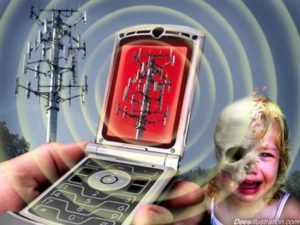 After numerous studies over two decades, there is
 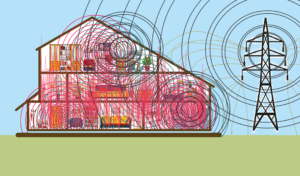 Some people are electrically sensitive, that is they are aware of the presence of electromagnetic fields (EMFs), but are not adversely affected by them. Other people may or may not be aware of the presence of EMFs, but can become seriously ill in their presence. These people we refer to as electrically hypersensitive (EHS). People who have developed EHS have a physiological disorder, characterized by neurological and idiopathic reactions, that noticeably appear or intensify near sources of EMFs such as electrical appliances, especially VDUs (computer monitors), power lines, fluorescent lights, mobile phones, cordless phones, wireless computers (wLANs), mobile phone base stations, etc.