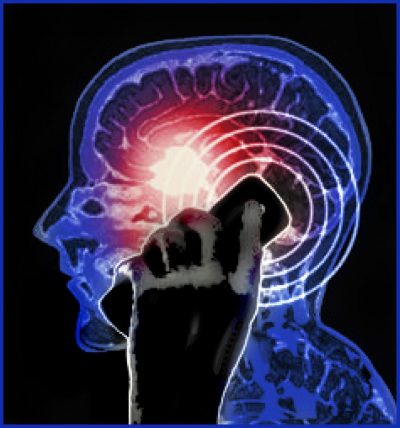
The voluminous but sometimes puzzling results also aren’t likely to prompt U.S. agencies or other bodies to immediately change how they regulate the ubiquitous devices or view their health risks.
Questions over whether cell phones harm health have persisted for decades. The devices emit non-ionizing, electromagnetic radiation of the sort that heats food in a microwave oven, but scientists have struggled to conclusively link cell phone use to cancers or other illnesses.
In a bid to clarify matters, the U.S. Food and Drug Administration (FDA), which plays a key role in developing U.S. cell phone regulations, asked the National Toxicology Program (NTP) at the National Institutes of Health to launch studies examining the issue. Yesterday, NTP released two studies conducted as part of a $25 million research program.
In the studies, which lasted 2 years, rats and mice of both sexes ran freely in specially constructed reverberation chambers where their entire bodies were exposed to radiation. The levels ranged from a low of 1.5 watts per kilogram to a high of 10/Kg, and exposures were limited to the 2G and 3G frequencies, which are still widely used for voice calls and texting. In general, the animals were exposed to radiation levels that either matched or exceeded what’s permissible under current U.S. regulations.
Exposures began during pregnancy and then continued nine hours a day for 2 years, “which is not a situation that most people will encounter when using cell phones,” said John Bucher, a senior scientist at NTP who co-directed the study. “Though it does allow us to explore the potential for biological effects if they’re going to occur.”
The study’s strongest finding was that male rats had an elevated risk of developing tumors, called malignant schwannomas, in the connective tissues surrounding nerves in the heart. Sex- and species-dependent increases were also observed for lymphoma, as well as cancers of the prostate, skin, lung, liver and brain, but these findings were weaker by comparison and possibly due to causes other than radiation. Similarly, the researchers observed non-cancerous health effects — including lower birth weights, evidence of DNA damage, and heart conditions – among exposed rats, although it was not always clear if the conditions were caused by radiation exposure.
In a counterintuitive result, male rats and mice exposed to radiation lived longer, and had lower levels of age-related kidney disease, than males not exposed to radiation.
Early reactions to the findings suggest they will not dramatically reshape the debate over cell phone safety. Both critics and supporters of current risk evaluations and safety standards claim the studies support their points of view.
The new findings are “incredibly important,” says David Carpenter, a public health physician at the University of Albany, New York, who has long warned of cell phone dangers. “I think this is the first clear evidence showing that these sorts of radiofrequency fields increase risks for all kinds of cancer,” he says, noting that malignant schwannomas have been detected in previous human studies of cell phone risk. He believes that more of the associations between radiation exposure and rodent disease could have reached statistical significance had the study included a larger number of animals.
Jonathan Samet, who led a prominent international scientific panel that concluded that cell phone radiation was a “probable” human carcinogen, predicts the new studies won’t “nudge that classification in one direction or another.” The panel led by Samet, dean of the Colorado State University School of Public Health in Fort Collins, was organized by the International Agency for Research on Cancer, a specialized agency of the World Health Organization.
The findings don’t suggest that U.S. regulations on cellphone radiation need to be tightened, said Jeffrey Shuren, director of the FDA’s Center for Devices and Radiological Health, in a statement. The new studies, when combined with previous research, have “given us the confidence that the current safety limits for cell phone radiation remain acceptable for protecting the public health.”
The NTP’s Bucher, who helped lead the new studies, says he has no intention of changing his cell phone habits.
In a statement, the U.S. National Cancer Institute noted that “often, when concerns are raised about exposures that may confer low-level risk for a rare cancer outcome—as is the case for cell phones and brain tumors—it takes time and many studies to come to a conclusion based on the weight of the evidence.” It notes that a major European study of cell phones and brain tumor risk is expected to report results later this year.
Meanwhile, external experts are scheduled to review the new NTP studies at a meeting in late March. NTP also plans to continue its animal studies in new chambers that replicate the radiation produced by the current generation of 4G cell phones.
Electromagnetic fields (EMFs) from cell phones, cell phone towers, wireless Internet, power lines, household electrical wiring and more can trigger serious symptoms, including headaches, fatigue and confusion, in people who are electrosensitive
There are a number of factors that influence the degree to which you may be affected by EMFs, and your level of heavy metal toxicity is likely one of them
Heavy metals in your brain also act as micro-antennas, concentrating and increasing reception of EMF radiation
Any kind of metal implants and/or amalgam (silver) tooth fillings will significantly increase reception of microwaves, and the mircrocurrents from cell phones and other ambient fields
By Dr. Mercola
Electomagnetic fields (EMFs) are all around us, no matter where you live these days. They emanate from power lines, televisions, household electrical wiring, appliances and microwaves.
They come from cell phones, cell phone towers and wireless Internet connections.
It is estimated that 3-8 percent of populations in developed countries experience serious electrohypersensitivity symptoms, while 35 percent experience mild symptoms, according to Dr. Thomas Rau, medical director of the world-renowned Paracelsus Clinic in Switzerland.1
There are a number of factors that influence the degree to which you may be affected by EMFs.
For example, your body weight, body-mass index, bone density, and water and electrolyte levels can alter the conductivity and biological reactivity to EMFs. Heavy metals in your brain also act as micro-antennas, concentrating and increasing reception of EMF radiation.
How Heavy Metal Toxicity May Make Electrohypersensitivity Worse
The issue of heavy metal toxicity in relation to electromagnetic toxicity may be one of the most significant. According to Dr. Yoshiaki Omura’s research, the more your system is contaminated with heavy metals from silver amalgam fillings, eating contaminated fish, living downstream from coal burning power plants and so forth, the more your body becomes a virtual antenna that actually concentrates radiation, making it far more destructive.2
“Heavy metals can weaken our field through their frequency outputs by modulating compatible frequency components of the body resulting in a weakening of the field thereby causing unhealthy biochemical changes. If you have accumulated toxic metals in your brain, and since your brain is an antenna, you can actually receive more cell phone radiation, which in turn can cause the microbes in your system to overreact and create more potent mycotoxins.
This can create a never-ending vicious cycle between the microbes and metals in your body and your exposure to electromagnetic fields, which can lead to hypersensitivity. I have seen that a high percentage of illness including chronic infections are caused, and/or aggravated, by electromagnetic field exposure. Then chronic fatigue, fibromyalgia and other chronic pain syndromes can easily develop or worsen.”
Likewise, any kind of metal implants and/or amalgam (silver) tooth fillings will significantly increase reception of microwaves, and the mircrocurrents from cell phones and other ambient fields. In case you’re wondering how to detect electrohypersensitivity, the five most common symptoms are:
The next generation of wireless cellular technology, also known as 5G, is scheduled to be rolled out in two years. If released as planned, 5G would blanket the entire country with extremely high frequency microwave radiation, with major implications for health, privacy, property rights, and local control.
Most cell phone carriers currently offer fourth generation (4G) wireless cellular service, a service which has been upgraded each decade since first generation analog service of the 1980s. However, 5G is far more than a simple technological upgrade for faster downloads. Prior generations of cellular service used low-band frequencies, from 300 megahertz — a million hertz — to 300 gigahertz — a billion hertz, as is used by 4G. To put this into perspective, the electro-magnetic radiation produced by household appliances ranges from 3 Hz to 300 Hz. Unlike the low frequency 4G being used now, 5G represents a significant change as it will use extremely high frequency microwave radiation called millimeter waves. Higher frequency waves have shorter transmission ranges, so the technological fix is to pepper communities with powerful small cell antennas, requiring pervasive neighborhood and city-wide 5G antennas. The distribution of these small cell antenna systems is placement on utility and light poles and other public infrastructure, and within feet of single family homes, on multifamily homes, schools, day care centers, nursing homes, recreation centers, and more, beaming intense microwave radiation onto anyone living or sleeping in those areas.
To enable the widespread deployment of 5G antennas, the telecommunications industry has been offering financial incentives to states and the federal government to pass enabling legislation without public input. Already 18 states have either passed or have bills slated to pass on rapidly deploying 5G statewide, stripping authority from local governments and state citizens. Several communities around the U.S. are already organizing to pre-empt implementation and maintain local control, including over 80 municipalities in Ohio.
There is good reason for this. When the Federal Telecommunications Act was passed in 1996, the telecommunications industry made certain that there was a clause included in this legislation that explicitly prohibits claiming health hazards as a reason to prevent placement of a cell tower near a person’s property.
Research shows that 5G millimeter wave radiation will make people sick, especially unborn children, young children, pregnant women, and individuals with chronic illness. The predicted adverse health effects include cancer, infertility, cataracts, headaches, neurological malfunction, cardiac irregularities, and insomnia, in much higher numbers and potency than that being experienced as a result of 4G by electro-hyper-sensitive people today. With as much as 10 percent of the population now showing signs of EHS to WiFi/wireless radiation, and cancer now affecting 1 out of every 2 people, we cannot afford to allow the telecom industry and our government to push 5G on us without our permission, and in spite of documented health hazards to humans, animals, birds and wildlife.
The World Health Organizations International Agency for Research on Cancer has classified radiofrequency electromagnetic fields as a Group 2B carcinogen based on an increased risk for glioma, a malignant type of brain cancer associated with wireless phone use. Dr. Olle Johansson, neuroscientist at the Karolinska Institute (which awards the Nobel Prize for Physiology and Medicine), has stated that the proof of harm from radiofrequency electromagnetic fields is overwhelming and that children should never be allowed to be victims of a WHO-classified possible carcinogen. Dr. Ronald Powell, a Harvard-trained physicist, is also concerned about the potential for widespread harm from EMF radiation, particularly 5G. Brain and central nervous system tumors are the second most common cancers in children, making up about 26 percent of childhood cancers. Do we want to increase the risk of cancer in children by forcing them to be exposed to one of its known causes? In Idaho, we still have a chance to put a halt to 5G by spreading the word, contacting our legislators, and letting them be aware of statewide opposition.
Following is a link to an informative article from Wise Traditions (Fall, 2017), the quarterly journal of the Weston A. Price Foundation. (westonaprice.org/health-topics/microwave-radiation-coming-lamppost-near/), which provides the documentation for the above information. Then tell our legislators to please oppose this proposed new technology.
ANNE WILDER CHAMBERLAIN
5g And E-health, 5g E-health, 5g Health, 5g Health Issues, 5g Health Marketing Group, 5g Health Problems, 5g Mobile Health, 5g Network Health, 5g Wifi Health
The invisible Wi-Fi waves are wrecking your health without your knowledge.
Whether one is a netaddict or not, staying without internet connectivity for too long sure gets us nervous. It’s a modern nightmare. So every cafe, library and club in town lures you in with promises of free Wi-Fi, so you never have to stay away from the internet for too long. This very moment, as you read, you are being bombarded with these invisible. Have you ever wondered whether Wi-Fi has any impact on your health? A science experiment conducted by Danish schoolgirls showed that garden cress wouldn’t grow around a Wi-Fi router. If plants react this badly to Wifi, how well would the human body fare?
1 Wi-Fi can cause testicular DNA damage
A study published in 2016 in the Journal of Chemical Neuroanatomy studied the effect of prolonged radiofrequency radiation emitted from Wi-Fi devices on various organs of rats. The study revealed that although the waves didn’t have much impact on other organs, they did affect the testes of the rats. The researchers concluded that the testicles were more sensitive to radiofrequency radiation. Here are some ways in which technology is affecting your health.
2 Wi-Fi raises oxidative stress levels
Another 2016 study published in the same journal had more disconcerting news. Excessive electromagnetic exposure — like from Wi-Fi devices– causes elevated levels of reactive oxygen substances (ROS) and reduced antioxidant defence system in the body. These could lead to oxidative brain and liver damage in human beings. The study conducted on rats concluded that the brain seemed to be more sensitive to oxidative injury compared to the liver in the development of newborns.2
3 Wi-Fi can disrupt kidney development in foetus
In 2004, the journal Bioelectromagnetics conducted a study on Wi-Fi exposure and found that it could lead to delayed kidney development in newborn rats.
4 Wi-Fi affects sperm motility
A study conducted in Argentina and published in the journal Fertility and Sterility in 2012 showed that Wi-Fi had the potential to alter sperm motility. Sperm samples of 29 healthy men were taken. Half was placed under a laptop and the other half elsewhere. Around 25 percent of the sperm from the semen sample placed under the laptop was found to be damaged and immobile. Here are some other things that affect sperm quality.
5 Wi-Fi causes insomnia
Maybe your insomnia doesn’t stem from stress at work. The culprit could be your Wi-Fi router. In 2013, a study described the effects of 900 MHz unmodulated and 900 MHz modulated Hz waves on the brain of rats who were sleeping. Researchers found out that just one hour of exposure to radiation every day for one month caused rats to experience a delay before went into the REM stage or deep sleep. Many people are also turning off their routers at night for a good night’s sleep.
6 Wi-Fi could be responsible for causing cancer
Constant exposure to electromagnetic fields can also pose a cancer risk. The first study in 1979 reported that the children who died from cancer lived in homes that had a higher exposure to electromagnetic fields than the others. There could also be a possible link between higher breast cancer incidences electromagnetic fields.
Reference:
1 Akdag, M. Z., Dasdag, S., Canturk, F., Karabulut, D., Caner, Y., & Adalier, N. (2016). Does prolonged radiofrequency radiation emitted from Wi-Fi devices induce DNA damage in various tissues of rats?. Journal of chemical neuroanatomy, 75, 116-122.
2 Çelik, Ö., Kahya, M. C., & Nazıroğlu, M. (2016). Oxidative stress of brain and liver is increased by Wi-Fi (2.45 GHz) exposure of rats during pregnancy and the development of newborns. Journal of chemical neuroanatomy, 75, 134-139.
3 Pyrpasopoulou, A., Kotoula, V., Cheva, A., Hytiroglou, P., Nikolakaki, E., Magras, I. N., … & Karkavelas, G. (2004). Bone morphogenetic protein expression in newborn rat kidneys after prenatal exposure to radiofrequency radiation. Bioelectromagnetics, 25(3), 216-227.
4 Doré, J. F., & Chignol, M. C. (2012). Laptop computers with Wi-Fi decrease human sperm motility and increase sperm DNA fragmentation. Fertility and sterility, 97(4), e12.
5 Mohammed, H. S., Fahmy, H. M., Radwan, N. M., & Elsayed, A. A. (2013). Non-thermal continuous and modulated electromagnetic radiation fields effects on sleep EEG of rats. Journal of Advanced Research, 4(2), 181–187. http://doi.org/10.1016/j.jare.2012.05.005
6 Caplan, L. S., Schoenfeld, E. R., O’Leary, E. S., & Leske, M. C. (2000). Breast cancer and electromagnetic fields—a review. Annals of Epidemiology, 10(1), 31-44.
Living off grid, in the woods, away from all tech not such a loony idea after all
Analysis A study of 913 pregnant women in the San Francisco Bay Area, California, found those exposed to high levels of magnetic field (MF) non-ionizing radiation had a 2.72x higher risk of miscarriage than those exposed to low MF levels.
The Kaiser Permanente study, “Exposure to Magnetic Field Non-Ionizing Radiation and the Risk of Miscarriage: A Prospective Cohort Study,” was published this month in the journal Scientific Reports.
The authors, Kaiser researchers De-Kun Li, Hong Chen, Jeannette R. Ferber, Roxana Odouli, and Charles Quesenberry, say their findings add to the evidence that “MF non-ionizing radiation could have adverse biological impacts on human health.”
Mobile phones and Wi-Fi transmitters fire out radio-frequency MF radiation, but are not the only sources of such emissions; as such the study should not be construed as a specific indictment of those devices. Indeed, rather worry solely about smartphones or wireless networks peppering you with radiation, being surrounded by everyday electrical things – from fridges and freezers to hairdryers and clothes irons – may be more harmful than you may think. Possibly.
“In this study, we found an almost three-fold increased risk of miscarriage if a pregnant woman was exposed to higher MF levels compared to women with lower MF exposure,” the study says. “The association was independent of any specific MF exposure sources or locations, thus removing the concern that other factors connected to the sources of the exposure might account for the observed associations.”
Threshold
Study participants were classified in four MF exposure groups – <2.5mG; 2.5–3.6mG; 3.7–6.2mG; and ≥6.3mG – based on 24 hours of measurements with an EMDEX Lite meter as a representation of daily exposure. The researchers did not find the miscarriage risk increased with doses above 2.5mG, leading them to theorize that 2.5mG represents a threshold level for health effects.
In an email to The Register, Dr De-Kun Li, senior research scientist at the research division of Kaiser Permanente Northern California, said: “Please keep in mind that our study was not specifically designed to study radio-frequency magnetic fields, which are more applicable to cell phones and Wi-Fi. Also, we are at an early stage in understanding the health effects of magnetic fields; this is not a settled issue.”
Li said past studies of magnetic fields suffered from poor methods of measurement.
“The controversy over health effects from electromagnetic fields is, to a large extent, a product of earlier studies that did not find many associations between EMF and health risk,” he said. “Looking back, the main reason for the ‘negative findings’ is that those studies were not able to actually measure EMF exposure. When one can’t measure an exposure (e.g., EMF), the ‘study finding,’ by definition, won’t be able to find any association, thus negative findings. This applies to any study, not just those related to EMF. (For example, if one can’t measure the amount of calorie intake, one would conclude that calorie intake has nothing to do with being overweight.)”
Li said his group’s study supports the previously reported association between exposure to high MF levels in pregnancy and the risk of miscarriage, which has been suggested in at least seven other studies.
As Li observed, there is no scientific consensus that MF exposure harms human health. According to the National Cancer Institute, “[A]lthough many studies have examined the potential health effects of non-ionizing radiation from radar, microwave ovens, cell phones, and other sources, there is currently no consistent evidence that non-ionizing radiation increases cancer risk.”
The Kaiser researchers contend that the focus on studying the effect of MF radiation on cancer has made a more general focus on other health effects more difficult because the length of time required before cancer develops has led to inconclusive studies and has supported the impression that MF is entirely safe.
Emf Exposure And Autism, Emf Exposure And Pregnancy, Emf Exposure From Wifi, Emf Exposure Guidelines, Emf Exposure Health Effects, Emf Exposure Limit Is Measured In, Emf Exposure Regulations, Emf Exposure Risks, Emf Exposure Side Effects, Emf Exposure Treatment, Emf Exposure Wifi, Emf Exposure Wiki, Emf Health Canada, Emf Ionizing Radiation, Emf Occupational Exposure Limits, Emf Radiation Cell Phones, Emf Radiation Effects On Human Body, Emf Radiation In Fitbit, Emf Radiation In Schools, Emf Radiation India, Emf Radiation Ipad, Emf Radiation Sources, Emf Radiation Tanning Beds, Emf Radiation Testing, Emf Radiation Who, Emf Standards Of Exposure, Emf/ Electromagnetic Radiation Detector, Exposure To Emf, Exposure To Emf Symptoms, Occupational Emf Exposure
The invisible Wi-Fi waves are wrecking your health without your knowledge.
Whether one is a netaddict or not, staying without internet connectivity for too long sure gets us nervous. It’s a modern nightmare. So every cafe, library and club in town lures you in with promises of free Wi-Fi, so you never have to stay away from the internet for too long. This very moment, as you read, you are being bombarded with these invisible. Have you ever wondered whether Wi-Fi has any impact on your health? A science experiment conducted by Danish schoolgirls showed that garden cress wouldn’t grow around a Wi-Fi router. If plants react this badly to Wifi, how well would the human body fare?
1 Wi-Fi can cause testicular DNA damage
A study published in 2016 in the Journal of Chemical Neuroanatomy studied the effect of prolonged radiofrequency radiation emitted from Wi-Fi devices on various organs of rats. The study revealed that although the waves didn’t have much impact on other organs, they did affect the testes of the rats. The researchers concluded that the testicles were more sensitive to radiofrequency radiation. Here are some ways in which technology is affecting your health.
2 Wi-Fi raises oxidative stress levels
Another 2016 study published in the same journal had more disconcerting news. Excessive electromagnetic exposure — like from Wi-Fi devices– causes elevated levels of reactive oxygen substances (ROS) and reduced antioxidant defence system in the body. These could lead to oxidative brain and liver damage in human beings. The study conducted on rats concluded that the brain seemed to be more sensitive to oxidative injury compared to the liver in the development of newborns.2
3 Wi-Fi can disrupt kidney development in fetus
In 2004, the journal Bioelectromagnetics conducted a study on Wi-Fi exposure and found that it could lead to delayed kidney development in newborn rats.
4 Wi-Fi affects sperm motility
A study conducted in Argentina and published in the journal Fertility and Sterility in 2012 showed that Wi-Fi had the potential to alter sperm motility. Sperm samples of 29 healthy men were taken. Half was placed under a laptop and the other half elsewhere. Around 25 percent of the sperm from the semen sample placed under the laptop was found to be damaged and immobile. Here are some other things that affect sperm quality.
5 Wi-Fi causes insomnia
Maybe your insomnia doesn’t stem from stress at work. The culprit could be your Wi-Fi router. In 2013, a study described the effects of 900 MHz unmodulated and 900 MHz modulated Hz waves on the brain of rats who were sleeping. Researchers found out that just one hour of exposure to radiation every day for one month caused rats to experience a delay before went into the REM stage or deep sleep. Many people are also turning off their routers at night for a good night’s sleep.
6 Wi-Fi could be responsible for causing cancer
Constant exposure to electromagnetic fields can also pose a cancer risk. The first study in 1979 reported that the children who died from cancer lived in homes that had a higher exposure to electromagnetic fields than the others. There could also be a possible link between higher breast cancer incidences electromagnetic fields.
Reference:
1 Akdag, M. Z., Dasdag, S., Canturk, F., Karabulut, D., Caner, Y., & Adalier, N. (2016). Does prolonged radiofrequency radiation emitted from Wi-Fi devices induce DNA damage in various tissues of rats?. Journal of chemical neuroanatomy, 75, 116-122.
2 Çelik, Ö., Kahya, M. C., & Nazıroğlu, M. (2016). Oxidative stress of brain and liver is increased by Wi-Fi (2.45 GHz) exposure of rats during pregnancy and the development of newborns. Journal of chemical neuroanatomy, 75, 134-139.
3 Pyrpasopoulou, A., Kotoula, V., Cheva, A., Hytiroglou, P., Nikolakaki, E., Magras, I. N., … & Karkavelas, G. (2004). Bone morphogenetic protein expression in newborn rat kidneys after prenatal exposure to radiofrequency radiation. Bioelectromagnetics, 25(3), 216-227.
4 Doré, J. F., & Chignol, M. C. (2012). Laptop computers with Wi-Fi decrease human sperm motility and increase sperm DNA fragmentation. Fertility and sterility, 97(4), e12.
5 Mohammed, H. S., Fahmy, H. M., Radwan, N. M., & Elsayed, A. A. (2013). Non-thermal continuous and modulated electromagnetic radiation fields effects on sleep EEG of rats. Journal of Advanced Research, 4(2), 181–187. http://doi.org/10.1016/j.jare.2012.05.005
6 Caplan, L. S., Schoenfeld, E. R., O’Leary, E. S., & Leske, M. C. (2000). Breast cancer and electromagnetic fields—a review. Annals of Epidemiology, 10(1), 31-44.
A Complimentary Broadband And Wifi Health Check, Broadband And Wifi Health Check, Health Canada Wifi, Health Effects Of Wifi, Health Wifi Schools, Talktalk Broadband And Wifi Health Check, What Is The Wifi For Metro Health, Wi Fi Damages Health, Wi-fi Are There Any Health Risks, Wi-fi Health Facts, Wifi Affecting Health, Wifi Danger To Health, Wifi Health, Wifi Health Check, Wifi Health Concerns, Wifi Health Issues, Wifi Health Risks, Wifi Scale & Health Tracker, Wifi Signal Health
Some people are electrically sensitive, that is they are aware of the presence of electromagnetic fields (EMFs), but are not adversely affected by them. Other people may or may not be aware of the presence of EMFs, but can become seriously ill in their presence. These people we refer to as electrically hypersensitive (EHS). People who have developed EHS have a physiological disorder, characterized by neurological and idiopathic reactions, that noticeably appear or intensify near sources of EMFs such as electrical appliances, especially VDUs (computer monitors), power lines, fluorescent lights, mobile phones, cordless phones, wireless computers (wLANs), mobile phone base stations, etc.
Some people are electrically sensitive, that is they are aware of the presence of electromagnetic fields (EMFs), but are not adversely affected by them. Other people may or may not be aware of the presence of EMFs, but can become seriously ill in their presence. These people we refer to as electrically hypersensitive (EHS). People who have developed EHS have a physiological disorder, characterized by neurological and idiopathic reactions, that noticeably appear or intensify near sources of EMFs such as electrical appliances, especially VDUs (computer monitors), power lines, fluorescent lights, mobile phones, cordless phones, wireless computers (wLANs), mobile phone base stations, etc.
Being EHS means experiencing recurring feelings of stress or illness when near an EMF source. Any noticeable, recurring ill health that is triggered by an electromagnetic field, and that diminishes or disappears away from the EMF source, constitutes a case of electrical hypersensitivity. While symptoms may diminish quickly after the exposure is reduced, it can take several days, weeks or occasionally months if the person has become severely sensitised, for the effects to disappear.
Electricity Sensitive, Electricity Sensitive Load, Power Consumption Sensitive, Power Wash Sensitive, Power Wash Sensitive Baby, Power Wash Sensitive Baby отзывы, Power Wash Sensitive Hauch, Power Wash Sensitive отзывы, Sensitive Hearing Electricity, Sensitive Power Razor, Sensitive To Electricity, Sensitive To Electricity And Electromagnetic Fields, Sensitive To Static Electricity, Static Electricity Sensitive Devices
Cell phones are so bright and cheery and a thing of our time, that we forget their darker beginnings connected to WWII and radars. Their growing presence, everywhere we go, their utility and our mundane use of them, help us overlook their increasing complexity and their impact on our lives. In general, we have little understanding of how they work really, or knowledge about their effects on us. Our love for technology and our fear of it keep us close and away. It also provide us with a naïve hope that all our troubles, which at times seem overwhelming, can be solved by our goddess technology. But technology does not offer magical solutions, and often creates problems of its own. We forget this and use it recklessly, often failing to think in terms of safety first, not learning caution from the past.
Cell phones, and the towers they need to function, generate radiation. Cell phones numbers have increased fast, by 2010 there were already 5 billion cell phones in the world and 2 years later the number had grown by .5 billion; just extrapolating from this we can guess that there are easily more than 6 billion cell phones in a world of 7.6 billion people, not too far from a phone for each one of us. Because cell phones could not exist without their towers and grids to help them connect, we also live within that grid of microwave radiation. Still, we do not seem concerned about it, or about its effects on our health and the health of our children. Science is showing that we should, and a campaign about keeping cell phones at a distance started.
Microwaves in our ovens
Paul Brodeaur, a graduate from Andover and Harvard, Army counter intelligence in Germany in the 50s and a staff writer for The New Yorker, raised concerns about microwave radiation in his book “The Zapping of America.” Brodeaur made the connection between radars and microwave ovens. He believed microwave ovens were dangerous because the electromagnetic energy they use can radiate and penetrate deeply into the human body causing damage. There were other culprits, radars, FM radio, TV transmitters all using microwaves (MW). Brodeaur was particularly concerned about the effects of repeated MW radiation exposure on children; he argued that radiation leaked into homes making safety an issue. Brodeaur believed standards were lax, subjecting people to excessive exposure. Nobody questions this, he said, because our modern weapon system (radars, satellites, space communication) depends on MW. (1)
Microwave ovens were developed by Raytheon in the US; they also made the magnetrons used by radars in WWII. Their first microwave oven prototype was completed in 1947; it took until 1955 for the first domestic model to emerge. It was called “RadaRange” a name connecting too closely ovens and radars so it disappeared by the mid 70s replaced by the most acceptable one of “microwave oven,” which became popular and a must in every home. In the US the number of units sold each year climbed reaching a million in 1975. About 24% of US homes had them by 1986 and 90% had them by 1997 when they could be bought for U$S 200. Today, more than 30 million microwave ovens are sold annually throughout the world. (2) Few people even consider not having one and they are big business.
Microwave ovens encase MW radiation within a metal box and were subjected to testing before approved. There have been issues when food is heated in a MW oven using plastic containers including Biphenol A or phthalates these migrate into the food. Thus, MW oven safe containers emerged and people learned to use them. Professor Magda Havas, a radiation expert from Trent University (Ontario in Canada) shares on the dangers of popping our meals in the oven – and watching them cook. People need to know, she said, that MW ovens leak radiation. They have a metal mesh to protect the waves from leaking but she tested over a dozen of the most popular brands and every single one of them leaked. Energy leaks have at least one proven effect on our health: they cause cataracts on people exposed. Most scientists agree and called them “radiation cataracts.” We have to protect our eyes avoiding looking into our MW oven when is on. Some argue MWs lower the nutritional value of our food, Dr. Havas believes so and mentions that “enzymes are denatured by the process of radiation, meaning you get a fraction of the nutrients you would get otherwise,” but heat denatures enzymes, heat is not unique to MW ovens. Dr. Havas shares something she tested herself: MWs affect our hearts. Monitoring the heart rate of people standing near MW ovens she documented variations in heart rates when the oven is on. (3) The next step should be exploring whether MWs change enough the food we cook to cause measurable negative effects on people who ingest it, a still controversial issue.
Microwaves in our Cell phones
Like MW ovens, cell phones use Radio Frequency (RF) waves, or MWs. Devra Davis describes cell phones as “microwave radios.” Without reason or logic, I think, cell phones were assumed to be safer than MW ovens. We are dealing with electromagnetic radiation, the faster the frequency and the shorter the wavelength the greatest the damage they can cause. At the end of the spectrum, X and Gamma rays; we call them ionizing radiation because they break the ionic bonds that hold compounds together. Exposure to them is lethal to life. The rest of the spectrum receives the name of non-ionizing radiation because they do not break those links as fast. MWs are not X-rays but we should not presume them safe without considering the long term effects of exposure to them. In the past, routine examinations of pregnant women included low dosage X-rays and everybody believe them safe and was outraged when Alice Stewart, from the UK, challenged this in 1956 suggesting a link between X-ray examinations of pregnant women and childhood onset of cancer in the child. It took more than 25 years for Stewart’s views to be proved right and accepted. (5)
In making cell phones, Motorola probably assumed them safe based on this view of MWs that as long as they did not burn us they are safe; thus, Motorola ensured phone components did not get hot or heat up things around them. Today we suspect this is not enough. MW ovens and cell phones are very popular –the goal for MW ovens is one or more in each home; the goal for cell phones is probably a cell phone for every woman, man and child. The difference between the two: we do not put our heads into our MW ovens, hug them while we cook, or take them to bed with us but we do those things with our cell phones. Safety has to be a priority. In their almost 5 decades of history cell phones have changed markedly in size, capacity and power, the radiation they emit is also higher. (4, 5)
In 1973 Motorola engineer Martin Cooper called from a New York city street in front of reporters from a device weighting 1.5 kilos, it was the first call from a portable mobile phone. Motorola spent almost a million dollars producing it. The first commercial one was marketed 10 years later (1984) and it was the Motorola Dyna TACs (weighting 800 grams and carrying a rechargeable battery that would last 8 hours). In 1993 Bellsouth and IBM produced the first “smart phone” including a pager, e-mail, styles for writing on its screen and a complete pad featuring numbers and letters (weighting 500 grams, suggested retail price U$S 900). They never made more than 2000 of them. In 2002 the Nokia 7650 appeared almost at the same time with the SPC-5300 produced by Sanyo. They were small, light, and the first phones with built in cameras publicly available. A year later, in 2003, Blackberry created the first integrated phone: the Blackberry 6210 (weighting 136 grams including battery) with e mail, texting, web browser and a messenger service allowing communication between blackberries. The iPhone was created by Apple in 2007; it integrated a mobile phone, an iPad and a wireless communication device, included a visual voicemail box, a touch pad and keyboard, a photo library and a display for watching movies and television. (4)
It seems we never questioned whether they were safe but assumed they were. By now we need them, and want them, all our friends have them. Our children want them too, cell phones are flashy and cool, and everywhere. They are our constant companion. We carry them proudly wherever we go, checking, talking and listening to them in the streets, taking pictures and uploading them to the web, confirming to the world that we exist, and have a life. Sometimes, we take them to bed, so they sooth us with music or white noise. They wake us up in the mornings. We have a “special relationship” with our cell phones and they are useful. They come to work with us and have become indispensable: our 24 hour link to “everything and everybody.” Having one is not always a matter of choice; like my boss told me once, you have to accept and learn about new technology, it is part of your job. Furthermore, our phones represent us: the quality we buy, the gadgets and covers we choose, the pictures and videos we carry, the constantly growing number of sophisticated applications, even for babies, that we can get. Devra Davis, a well known scientist, never questioned their safety either and she loved her cell phone too.
Dr. Devra Davis, the founding director of the Center for Environmental Oncology at University of Pittsburg Cancer Center, published her book about cell phone radiation in 2010; it was a National Book Award finalist. The title, “Disconnect,” highlights her concern with the lack of connection between what we already know about cell phone radiation and human health, and the total lack of public awareness about this, even among researchers and scientists. Davis was surprised by what she found out. Like most of us she thought that if there was anything wrong with cell phones she would know, she is a well informed scientist and an expert on environmental health dangers, but, she was wrong. After researching she felt she had to write and inform people, working to ensure concerns were addressed. The weight of her credentials could help. Few scientists dare to ask questions anymore, those who did paid a price. This is like previous health issues, tobacco, asbestos, benzene and so on Davis says; cell phones are big business; the industry procrastinates action and sponsors research that creates doubt in people´s minds. But Davis is a grandmother and particularly concerned about the aggressive promotion of cell phones to children and the dominant disregard in exposing them to cell phones. As Brodeaur, she thinks children are particularly vulnerable to MW radiation:
“My grandkids come equipped with an array of modern protective armor…their own car seats and bike helmets…pads for wrists, knees and elbows…but what about that phone they are set to have?” (5)
After reading her book I searched the quick start guide coming with my cell phone; for the first time I saw the warning to users. Yes, at the end of page 13 of this 13 page guide, under Industry Canada Radiation Exposure Statement it reads: “this equipment should be installed and operated with minimum distance of 1 cm between the radiator and your body.” Now, nobody mentions “heads” but I guess we can assume them as included in this warning about “bodies.” I see no warning about pregnancy or pregnant women however, but Smart phones Davis says come with one: “Do not keep near the pregnant abdomen,” and Blackberry adds to it saying: “don’t keep near the abdomen of teenagers.”
Science and the need for further research
There is increased risk of brain tumors on heavy and long term cell phone users but research is still not conclusive. Every study, Devis explains, that ever looked at people who have used a cell phone heavily for ten years or more “finds a doubled risk of brain tumors, including the industry-sponsored ones, and there aren’t that many of those.” However, the majority of studies on cell phones and brain cancer have been negative. The issue is that they define a user as a person who averaged one call a week for six months and the average person in the study used a phone for less than six years. “Brain cancer takes a minimum of ten years to develop,” she says, so if you’re studying a group of people who’ve made very few phone calls and have used a phone for a short period of time, you are not going to find anything. (6)
In 2011 the International Agency for Research on Cancer (IARC), part of World Health Organization, appointed a Working Group to examine evidence on the use of cell phones; they classified cell phone use as possibly carcinogenic to humans based on limited data but arguing that findings could not be dismissed, a causal interpretation could not be excluded. The American Cancer Society and the National Institute of Environmental Health Science said that the evidence was not strong but further research was recommended. But, the US Food and Drug Administration, the US Centers for Disease Control and Prevention and the Federal Communications Commission point was that research had failed to establish a causal link between wireless device use and cancer or other illnesses. (8)
A long term study, the COSMOS study, is underway in Europe since 2007. It is a cohort study of mobile phone use and health involving 290 000 adults to be followed from 20 to 30 years focusing on outcomes and risks of cancers, as well as of benign tumors, neurological and cerebral-vascular diseases and specific changes, such as headaches and sleep disorders. Also, with increased use of cell phones by children and adolescents, there is growing concern about their health which prompted a multinational epidemiological case control study of brain tumours diagnosed in young people in relation to electro-magnetic fields exposure from cell phones and other sources of RF radiation in 14 countries (Australia, Austria, Canada, France, Germany, Greece, India, Israel, Italy, Japan, Korea, New Zealand, Spain, The Netherlands) between 2010 and 2015. The results of the study are under peer review. (7, 9)
Dr. Hugh Taylor, medical professor and chief of Yale’s Department of Obstetrics, Gynecology and Reproductive Sciences, co-authored a study in 2012 to explore the impact of cell phone exposure on pregnancies. They had pregnant mice in cages and simply put a cell phone on top of the cage. In half the cages the phone was active and in the other half it was turned off. The researchers allowed the mice to give birth and waited until the newborns were young adults to test behaviors. The mice exposed to cell phones in mother’s womb were more active, their memory was slightly decreased. They were bouncing off the walls Dr. Taylor said, and acting as if they did not have a care in the world. According to him, the study shows there is a “biological basis” to suggest cell phone exposure can impact pregnancies. He is encouraging patients to be cautious with them and recommends pregnant women to hold phones away from their body. Cell phone manufacturers, including Blackberry and Apple, also say consumers should keep devices away from the body due to potential safety risks but these warnings often go unnoticed because they are featured in manuals and people rarely read them. (10)
 The voluminous but sometimes puzzling results also aren’t likely to prompt U.S. agencies or other bodies to immediately change how they regulate the ubiquitous devices or view their health risks.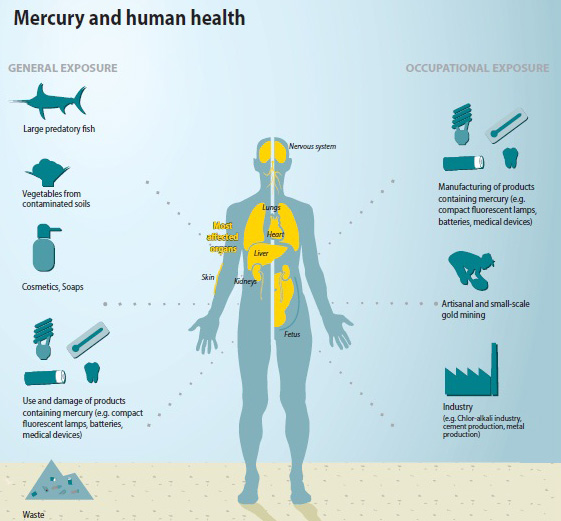
 extremely high frequency microwave radiation, with major implications for health, privacy, property rights, and local control.
 Whether one is a netaddict or not, staying without internet connectivity for too long sure gets us nervous. It’s a modern nightmare. So every cafe, library and club in town lures you in with promises of free Wi-Fi, so you never have to stay away from the internet for too long. This very moment, as you read, you are being bombarded with these invisible. Have you ever wondered whether Wi-Fi has any impact on your health? A science experiment conducted by Danish schoolgirls showed that garden cress wouldn’t grow around a Wi-Fi router. If plants react this badly to Wifi, how well would the human body fare?
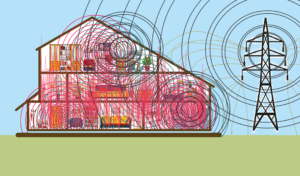 Some people are electrically sensitive, that is they are aware of the presence of electromagnetic fields (EMFs), but are not adversely affected by them. Other people may or may not be aware of the presence of EMFs, but can become seriously ill in their presence. These people we refer to as electrically hypersensitive (EHS). People who have developed EHS have a physiological disorder, characterized by neurological and idiopathic reactions, that noticeably appear or intensify near sources of EMFs such as electrical appliances, especially VDUs (computer monitors), power lines, fluorescent lights, mobile phones, cordless phones, wireless computers (wLANs), mobile phone base stations, etc.