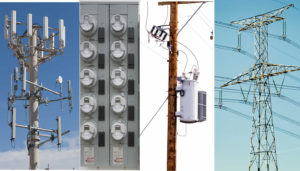
With concerns around fifth-generation (5G) technologies being raised by citizens across social media in recent months, the Council for Scientific and Industrial Research (CSIR) has put to bed the theories surrounding the new technologies’ deployment on human health. Over the past few months, discussions on whether 5G is harmful to citizens’ health have accelerated, leading to widespread fear that the new technology is causing the spread and mutation of the SARS-CoV-2 virus, as well as cancer, skin effects, electromagnetic hypersensitivity and male infertility. Continue reading “5G health threats unfounded – CSIR”→
There has been a lot of talk about 5G radiation in the Us, for those who are not aware of it 5G means fifth-generation technology, and many phone companies have promised it would be up to 100 times faster than 4G and 2,000 times faster than 3G. 5G is being touted as a necessary step to the ‘internet of things’, which is system of interrelated, internet-connected objects that are able to collect and transfer data over a wireless network without human intervention.
In the US, most people believe that the Federal Communications Commission carefully assesses the health risks of these technologies before approving them. However, in testimony before Senator Richard Blumenthal of Connecticut, the Federal Communications Commission admitted to having conducted no 5G safety studies. 5G radiofrequency radiation makes use of millimeter waves and microwave radiation. While 4G frequencies can reach 6 GHz, 5G exposes biological life to pulsed signals that range from 30 GHz to 100 GHz. The general public has never before been subjected to such high frequencies for extended periods of time.
5G leads to a massive increase in mandatory exposure to wireless radiation and will massively increase microwave and millimeter-wave radiation in our environment. More than 230 scientists from more than 40 countries have already expressed their concerns regarding the increasing exposure to EMF generated by electric and wireless devices before the additional 5G roll-out. EMF is short for electromagnetic fields and as for whether EMF is harmful to people, the International Agency for Research on Cancer, which is part of the World Health Organization, admitted that EMF’s are “possibly carcinogenic to humans”. Scientists who reject 5G says health effects include increased cancer risk, cellular stress, increase in harmful free radicals, and genetic damages.
EHT recommends eliminating sources of EMF radiation inside school buildings by the installation of corded/wired (instead of wireless) internet/phone/tech connections. Corded/wired connections will significantly reduce hourly and overall exposures to students, teachers and staff.
ROUTINES IN THE CLASSROOM
At start of class, remind students that cell phones and Personal Digital Devices (PDD) must be powered off and stored. Regularly remind students about phones and wireless PDD: 1. distance devices away from body and
If cell phones are needed for photos or video remind students to turn transmitting antennas off: Select “airplane mode” and disable all wireless antennas including Cellular, Wi-Fii, Mobile hotspot, Mobile data, Siri, Bluetooth and Location.
Post policy and best practices signs in every classroom and prominently at room entrances.
CURRICULUM PLANNING
When curricula requires internet connectivity, limit it to specific times rather than interspersed throughout class. For example, curricula should not require students to use phones to look up things during class. Instead, have a plan that includes time when students organize their research questions and, subsequently, a separate time when students research online.
When internet or other electronic connections are needed, use hardwire connections (cords/cables/wires/adapters) for all equipment (personal computer, any size electronic screen, printer, audio speakers, headphones, microphone, smartboard, printer, mouse, keyboard, and other devices and accessories).
If hardwire connections are not available in the school, minimize use of cloud and other wireless network services and instead use applications and content that are pre-downloaded onto devices.
Download and install files for curriculum prior to students’ use. This will eliminate the need for Wi-Fi during class.
Teach students to turn OFF wireless antennas when not in use (Wi-Fi, Bluetooth, Data, Cellular) and to select Airplane Mode for their personal devices including on cell phones, laptops, and other wireless devices. Note that students may need to go to Settings to fully disable Wi-Fi and Bluetooth*.
Store laptop carts outside of the classroom, and avoid recharging laptops near students/staff.
Instead of virtual reality “field trips,” show movies and video in class on a large screen.
* Wi-Fi “OFF when not in use” will still result in radiation exposures to students and staff during Wi-Fi use and continuously from WLAN access points. EHT recommends the installation of wired networks.
COMMUNITY EDUCATION
Regularly schedule parent education sessions about safer use of technology, e.g.:Strategies and practical advice on how to minimize health risks of cell phones, screens, and wireless digital devices
Hands-on workshops that explain and demonstrate how to hardwire home electronics and create a low-EMF computer workstation.
Regularly hold discussion forums about strategies to address the challenges of parenting in the digital age.
Hold student forums about how to reduce radiation, reduce eye strain, and minimize adverse psychosocial impact.
SCHOOL POLICY
Create and regularly update policies for cell phone and digital device use in classrooms that includes medical recommendations for children’s health and safety related to eyes, posture, addiction, and radiation. For continuous improvement, policies might include reporting and accountability measures.
Institute a ban on personal cell phones and personal hotspot devices. Prohibit use of all internet-connected devices in classrooms unless during supervised use for specific instructional purpose. Such a policy may help prevent students from rushing through schoolwork to go online for gaming or other non-school purposes.
Senator Becky Massey sent a letter to FCC Chairman Pai and Board Members to address two major concerns of Tennessee residents regarding the placement of 4G/5G small cell towers and antennas in residential areas: (1) Safety/Health and (2) Property Rights/Aesthetics.
THANK YOU Senator Massey for speaking out on our behalf!
Tennessee General Assembly – HB2279
Did you know that in 2018, the State of Tennessee passed a law written by two lobbyists from AT&T and Verizon that allows cellular companies to install a cell tower up to 40 feet tall in your front yard?
HB 2279 was signed by Governor Haslam in 2018 without our knowledge or consent. This legislation gives the telecommunication companies the freedom to install as many cell towers as they choose, wherever they choose, in the right of way (easement) of your home property, without your consent and with zero protection for your property value or the health of your family and neighbors.
Two Tennessee residents discuss what is going on with 5G in their neighborhoods.
Listen to the George Korda radio show on the Fox News Pod Cast.
Part One starts at the 4:15 minute mark.
Part Two begins at 27:40.
Part Three begins at 39:40.
Farragut TN – 5G Controversy Continues
By Design on July 26, 2020 – The Knoxville Focus.
Photo by Focus Staff.
Real estate studies show a cell tower like this can lower property value by as much as 20% [and] with small front yards, this means the cell tower can be as little as 15 to 25 feet from where people sleep.
Farragut Tennessee Passes Resolution to Halt 5G Until FCC Limits Ensure Safety
Farragut, TN is one of the first residential towns targeted for 5G cell-towers in the Knoxville area. Read the May 16, 2020 Farragut Resolution to Halt 5G.
Knox County Commission on 5G
Knox County citizens speak up at a County Commission meeting on 5G – June 15, 2020.
I had a very wonderful experience working with a mother concerning her autistic daughter who is seven years old. Sue (not her real name) was already providing the right foods and nutrition for her daughter (eliminating all processed foods, etc.) and using the right household cleaning products (no chemicals that can harm the body). But there was still a nagging issue, what else can she do as a mother to help her daughter overcome autism.
On the internet searching for answers, Sue came across a plethora of information on EMF and was overwhelmed. She found the EMF Expert website and my name in the EMF Professional Directory that she came across there. We had several phone calls and numerous texts since we live over two hours away from each other. We discussed and explored different ways to help her family eliminate EMF exposure in the household.
First topic of concern was EMF exposure from cell towers in their local area. I helped Sue find the EMF Experts website cell tower locator map to find out how close she was to any cell towers – (https://www.emf-experts.com/cell-tower.html ). She was very relieved to find the closest one was five miles away.
The next topic we talked about was the smart meter. Sue was not aware of any issues that can come from a smart meter. The next day after our discussion on this topic, she called the electric company. Within one week, Sue was able to have an analog meter installed and had the smart meter removed. This did come at a price – it cost the family an installation fee of $75 to put in the analog meter and now a monthly fee to read the meter at $17 a month. For Sue, to help her daughter, this was well worth it.
Another way to cut down on EMF exposure, we explored the computer setup – how many computers in the household and the location of the computers. The family has only one computer located in the living room. To reduce the WiFi exposure, the family did wire their computer within a couple of days. It was suggested to turn off the router at night. Sue stated she will start working with her daughter on school work in another room away from the computer area. Sue noticed once she did that, her daughter’s attention span was much longer than when they worked by the computer.
The family owns two cell phones and the husband uses blue tooth ear buds. For their cells phones and blue tooth ear buds, we discussed getting cell phone shield covers and air tube headsets to block the microwave signals directed toward the head and body. I gave Sue the website for Less EMF that sells cell phone shield covers and air tube headsets (lessemf@lessemf.com). We also talked about disengaging the GPS in their car as well.
Taking a step further we spoke about grounding and I sent her a book on this subject “Earthing” by Clinton Ober to read. The book states, (Page 175) “Earthing is not a cure for autism, but over the years it’s been observed to have a calming effect, improve sleep patterns and promote better speech and socializing. Earthing reduces inflammation and strengthens the immune system , and thus, may offer additional benefit, especially in light of recent autism research revealing the presence of brain inflammation and immune system dysfunction….may lessen the stress level in the whole family.” Sue mentioned how her daughter would only hug a tree during recess and not play with the other children. Interestingly, this little girl was trying to ground with the earth. Her mother mentioned how she will always touch live plants and hold the leaves in her hand. We talked about planting a tree in her backyard – perhaps the same one she hugged at recess.
Since there was not a deep sleep pattern for her or her daughter at night, I mentioned the Bedroom Sanctuary book from EMF Experts which she got and the family hopes to implement shortly.
The outcome was phenomenal. Not only is the mother sleeping “so hard” as she stated, but her daughter is sleeping better and more hours, and is much more responsive now. One day she did not ask for her ipad for 8 hours (which we talked about the EMF coming from that as well).
It is very gratifying to be able to help people and make a difference in their lives, especially for little children.
Karen Portz
Working as a Myofascial Release therapist, I wanted another tool to help make a difference in helping my clients live healthy lives. Having received my EMF certification, I can present information to my clients and help them become aware about the dangers of EMF and ways to protect themselves from electrosmog.
So, you’ve decided to sell your home. Congratulations! Before you start playing with a mortgage calculator to see how much you can afford on your next home, you’ll want to know how to sell your current home fast. Ideally, you’re looking to list your home, generate interest quickly from potential buyers, and in a perfect world, a bidding war will ensue and you will get more than the asking price for your house. But before all of this can happen, you’re going to want to spend some time gathering a team of people who can help you along the way.
Whether you’re a first time or experienced seller, having a talented team of professionals on your side can mean the difference between a quick and stress-free selling experience and one that isn’t. So before you put your house on the market, here are seven key people you’ll want on your team to help sell your house fast.
1. Real Estate Agent
Selling a house can be a complex process. That’s why the first person you’ll want by your side is a real estate agent. The job of a listing agent is to guide you through the entire home selling process. This can include necessary house preparations and repairs, pricing the home correctly, setting up the staging, executing a strategy to promote your home, negotiating with the buyer, and closing on the home.
But to do all of this you don’t want just any agent – you need the right agent for you. So, how do you choose a real estate agent? Well, you’ll want to find someone who will super-serve you, sell your house fast, and for the most money. So it’s important that you do your research and read reviews to make sure you’re choosing the best person for this important role.
2. Home Inspector
It’s true that buyers are typically going to have a home inspection conducted before they agree to purchase the property, but what if you were to beat them to it? Hiring a home inspector to do a pre-listing home inspection is a proactive approach to getting your house ready to sell and it offers some advantages to sellers that you may not be aware of. With the pre-listing inspection, you can find out the exact condition of your property, what issues and repairs need to be addressed beforehand, fix them, and then focus on the next task of selling your home fast.
Also, knowing the condition of your home can be an asset during the negotiation phase. As you may already know, buyers often use their home inspection as a way of getting concessions from sellers, such as asking you to drop your list price. If you’ve already addressed these repairs, it is less likely that anything new will come up and impact your negotiation.
3. House Cleaner
Having a home that is fresh, clean, and inviting for potential buyers is crucial when selling. If buyers are interested in your home, they’ll open closets, explore cabinets, and they might move furniture around. The difference between inspecting a sparkling clean house and a place that hasn’t been thoroughly cleaned can make or break a deal. That’s why your home needs to be spotless from top to bottom. Although you can clean your house by yourself, hiring a professional cleaning service might prove helpful during what is likely to be a very busy time for you. Also, professionals have experience with the thorough cleaning needed to sell a house. They will use high-quality products and equipment to deep clean your entire home – even the nooks and crannies that you didn’t know existed.
It’s also important to consider the timing of cleaning your home. You don’t want to wait to hire a professional cleaner after your home has been listed. It is something you should invest in before your home is on the market, so the listing photos can reflect your clean and decluttered home. You should also consider having your home cleaned regularly while it’s on the market. It could take some time to sell, and if you’re living in it during that time it may be extremely difficult to keep it in pristine condition.
4. Home Stager
Staging is one of the most important parts of the selling process. Contrary to what many may think, home staging is about more than just preparing a house for sale. There’s an art and a science to staging a home that goes above and beyond simply cleaning and decluttering a space. Staging is about making the home look larger, brighter, cleaner, and more welcoming. It is about selling a lifestyle that buyers will experience if they own the home. In fact, research shows that 83% percent of buyers’ agents said staging a home made it easier for a buyer to visualize the property as a future home.
Professional stagers know exactly how to showcase a space using furnishings, color, artwork, and accessories. They are able to offer prospective buyers a glimpse into how each room can be utilized. When all is said and done, a home stager will be key in helping you transform your space to appeal to the greatest number of buyers, which can help sell your house fast.
5. Real Estate Photographer
The key to successfully listing and selling your home quickly is the photos. Today, more than ever before, online browsing is a critical part of the home buying process. Buyers can tour your entire home without ever leaving their couch and if they aren’t sold on the images that they see online, they will move on. That’s why having professional real estate photos of your home is so important. You may think you can take some of these photos yourself, but research shows hiring a professional photographer can help homes sell faster and for more money. Just remember, the better you represent your house online, the faster it will sell.
In addition to traditional real estate photography, consider adding in aerial photography – which can show off your entire property, a scenic view, and the surrounding area. Maybe you’re selling a home in Alaska with a large plot of land. An aerial shot can easily put into perspective the full scope your home has to offer.
6. Painter
Painting your home before you sell it may sound like a hassle, but homebuyers may be turned off by your turquoise bathroom, or your teenager’s darkly colored bedroom. Hiring a professional painter to give the inside and/or the outside of your home a fresh look with neutral, bright colors will be more appealing to a wide range of homebuyers, both in-person and online. It may also help sell your house fast when your property is one of the nicer looking available homes on the market.
7. Handyman
There will be few things more off-putting to a prospective homebuyer than touring a property with chips taken out of the walls, broken fixtures, or loose floorboards. So before listing your home, you’ll want to make sure you’ve made the necessary repairs and renovations. Sure, there will be projects you can easily complete yourself, but what if you don’t have the time with everything else going on or a repair project is over your head? That’s where a handyman comes in. A handyman, or handyman service, is a skilled jack-of-all-trades who can help you handle a wide range of repairs in your home.
Additionally, before you can sell your home, it will likely need to go through a home inspection. A professional home inspector will give you a home inspection report, which is usually a list of any issues needing attention. Handyman services can be extremely helpful for addressing problems on that list and making sure any repairs are done up to code.
Selling a home and navigating the housing market can be a stressful experience. But having the right people on your team during this journey – all working together to help sell your house fast – can make all the difference. So before you list your home, consider bringing these seven people onto your team as their advice, expertise, and guidance can help be invaluable during the selling process.
Emily is part of the content marketing team and enjoys writing about real estate trends and home improvement. Her dream home would be a charming Tudor-style house with large windows to let in lots of natural light.
5G antennas are popping up all across the United States, and a significant number of people are growing increasingly concerned over the long-term health effects of the high-speed communications technology. Unfortunately, it appears as though their trepidations are falling on deaf ears.
5G technology is alluring in that it offers download speeds up to 30 times faster than 4G. It is touted as the technology necessary for self-driving vehicles. Gaia.com elaborates,
The difference between 4G and 5G in terms of gigahertz, the unit of alternating current (AC) or electromagnetic (EM) waves that affect the transmission speeds of devices, is significant. 5G technology promises radio millimeter bands in the 30 to 300 GHz range, while 4G tops out at around 6GHz. When applied to video latency, this translates to speeds up to 60 to 120 times faster.
Lawmakers are anxious to see the new technology rolled out in their cities. CBS News reports Sacramento was one of the first cities in the nation to launch 5G under the leadership of Mayor Darrell Steinberg in 2017, but residents have voiced concerns over the public safety of the new technology.
Sacramento parents Aaron and Hannah McMahon, who have two young daughters, told CBS they had a 5G cell antenna on a pole just outside of their home. According to Aaron, experts have told him that his family is virtually “living in a microwave” with the tower so close to their residence.
“It’s scary, it’s a hard situation to be in,” Hannah McMahon said. “They can’t tell me that something that’s fairly new, and relatively untested, is not gonna be harmful in 10-15 years.”
And the McMahons are not alone. Homeowners in cities throughout the country are leading petitions to stop 5G construction in their neighborhoods, citing public health fears.
In an effort to assuage concerns, Sacramento commissioned an independent study on the safety of the 5G towers led by University of California Davis Professor Jerrold Bushberg.
Bushberg claims the towers emit “very low levels of exposure” and therefore do not pose a health threat. He adds the FCC sets guidelines for exposure to cell signals, and the exposure from the 5G antennas is well within the safe level.
But skeptical Americans do not necessarily find relief in that assessment. After all, the Food and Drug Administration frequently approves drugs later proven to cause serious long-term health consequences.
It’s worth noting the former chair of the FCC, Tom Wheeler, who was behind the big push for 5G technology, was also the former head of the Cellular Telecommunications Industry Association (CTIA), the vast telecoms lobby group. Current FCC Chairman Ajit Pai is also a proponent of 5G technology, and has even dismissed claims that the technology could interfere with weather observations, despite the studies in support of those observations. Pai has close ties to the telecommunications industry as a former Verizon lawyer. Is there a possible conflict of interest there?
While Dr. Bushberg could be completely correct in his assessment of 5G, the science is anything but settled. More than 200 scientists in more than 40 countries have warned about 5G’s health risks and have asked the European Union to follow “Resolution 1815 of the Council of Europe” — which asks the Council of Europe to take all measures to reduce exposure to electromagnetic fields and create an independent task force to reassess the health risks of the exposure. Those scientists declared in the “5G Appeal” to the EU:
We, the undersigned scientists, recommend a moratorium on the roll-out of the fifth generation, 5G, until potential hazards for human health and the environment have been fully investigated by scientists independent from industry. 5G will substantially increase exposure to radio frequency electromagnetic fields (RF-EMF) … and has been proven to be harmful for humans and the environment.
They explain that because the technology is poorly transmitted through solid materials, it will require new antennas nearly every 10 to 12 houses in urban areas, significantly increasing EMF exposure. According to opponents of 5G, some potential effects of this exposure can include cancer, genetic damages, reproductive issues, cognitive and neurological disorders, to name just a few.
The National Toxicology Program (NTP) conducted a $25 million U.S. study and found a significant increase in the incidence of brain and heart cancer in animals exposed to EMF below the International Commission on Non-Ionizing Radiation Protection (ICNIRP) guidelines followed by most nations and significantly lower than the levels created by 5G technology.
Dr. Ron Powell is a retired U.S. Government physicist who has worked with this technology in the military, and has been an outspoken critic of 5G technology. He has claimed it “would irradiate everyone, including the most vulnerable to harm from radiofrequency radiation: pregnant women, unborn children, young children … the elderly, the disabled, and the chronically ill…. It would set a goal of irradiating all environments.”
While 5G has certainly not been “proven” to be harmful to the general population, since it is just now being implemented, it appears that concerns over 5G’s health risks are not unfounded. But what has been Sacramento’s response to concerned citizens such as the McMahons? It will make sure the FCC rules are followed and the cells are aesthetically pleasing, CBS Sacramento reports.
Emf Sensitivity Test, Emf Shield Test, Emf Test, Emf Test Meter, Emf Test Power Line, Emf Test Results, Emf Test Standard, Emf Testing Certification, Shungite Emf Test, Test Emf Your Home
There are debates that some individuals are dropping sleep in favor of spending long hours chatting or connecting through their smartphones, lap tops and other new technologies.
But should sound or sufficient sleep become less and less important or attractive in this age of smartphones, apps and other technologies?
The lack of good sleep is said to have some serious public health implications, which cannot be overlooked.
The Washington Post, in a January 2019, article titled: “Go to bed! Brain researchers warn that lack of sleep is a public health crisis,” brought to fore some conclusions from research work on the health implications of having little time to sleep.
The article said a growing number of scientists are cautioning that the lack of sleep is a simmering public health crisis that needs urgent attention.
Quoting Daniel Buysse, a professor of sleep medicine at the University of Pittsburgh, the article said: “it used to be popular for people to say, ‘I’ll sleep when I’m dead.’ The ironic thing is, not sleeping enough may get you there sooner,” the article added.
There are more questions however beyond just new technologies keeping people awake.
The World Health Organisation (WHO), in collaboration with other stakeholders, has had reason to examine other health threats associated with the use of technologies, especially mobile phones.
In responding to specific concerns under the broad topic: “what are the health risks associated with mobile phones and their base stations,” the WHO in a 2013 question and answer document, noted that given the “immense number of people who use mobile phones, even a small increase in the incidence of adverse effects on health could have major public health implications.”
The global body touched on concerns between these phones and areas such as cancer, electromagnetic interference and traffic accidents.
It said studies had so far not provided indication that environmental exposure to radiofrequency (RF) fields, such as from base stations, increases the risk of cancer or any other disease.
Other conclusions were that while “an increased risk of brain tumours from the use of mobile phones is not established, the increasing use of mobile phones and the lack of data for mobile phone use over time, periods longer than 15 years, warrant further research of mobile phone use and brain cancer risk.”
“In particular, with the recent popularity of mobile phone use among younger people, and therefore a potentially longer lifetime of exposure, WHO has promoted further research on this group and assessing the health impact of RF fields on all studied endpoints, ” the document added.
It said research had, however, shown an increased risk of traffic accidents with some three to four times greater chance of an accident, when mobile phones (either handheld or with a “hands-free” kit) are used while driving due to distraction.
In 2014, the WHO further put out some statements on electromagnetic fields and the public health implication of mobile phone use.
It noted that mobile phone use is ubiquitous with an estimated 6.9 billion subscriptions globally and that the electromagnetic fields produced by mobile phones are classified by the International Agency for Research on Cancer as possibly carcinogenic to humans.
It noted however that studies are still being carried out “to more fully assess potential long-term effects of mobile phone use.”
Research and Discussions
With some reassuring words, the WHO said a large number of studies have been performed over the last two decades to assess whether mobile phones pose a potential health risk and that, no adverse health effects have been established as being caused by mobile phone use.
The WHO established the International Electromagnetic Fields (EMF) Project in 1996 to assess the scientific evidence of possible adverse health effects from electromagnetic fields.
With all the concerns being raised over the use of new technologies, a collaborative meeting was held in Tokyo to assess the public health implications of excessive use of the internet, computers, smartphones and similar electronic devices
The Tokyo meeting report, later published by the WHO in 2015, stated that the meeting was organized to discuss the public health implications of excessive use of the internet, computers, smartphones and other electronic devices in the context of “behavioural addictions” associated with such excessive use.
According to the report, the rising popularity and “use of the internet and electronic devices has seen an increasing clinical, research and media focus on health problems associated with excessive use.”
The report said harmful use of the internet and modern technologies can relate to a wide range of products and services.
“These include older types of electronic screen products such as televisions and videos, as well as newer electronic screen products such as computers, smartphones, video game devices and e-books.”
During the meeting at Tokyo, the report stated that individuals with excessive use of the internet have comorbid psychopathology.
It said in addition to comorbidity with psychiatric conditions, excessive use of the internet and electronic devices typically presents itself together with other physical and psychosocial problems, such as back pain, social withdrawal, sleep deprivation and low self-esteem.
Other were linked to sedentary lifestyle through excessive screen time associated with snacking and poor diet, decreased sleep time, insufficient physical fitness, headache, blurred vision and even double vision.
It also noted that electronic devices with audio entertainment functions can typically “generate harmful levels of sound, which can be linked to permanent hearing damage”
Adding that the issue of mobile electronic devices, such as smartphones, commonly used while doing other tasks, could make the user more “prone to injuries and accidents.”
The meeting however concluded that the “review of available evidence on internet use disorders and excessive use of the internet and electronic devices identified important gaps to be filled in coming years.
It is not surprising that the theme chosen for the commemoration of the 2018 World Mental Health Day focused on young people and mental health in a changing world, with some experts expressing concerns over the impact of new technologies on young people and their mental health.
This young group is in constant online communications searching for identity, self-esteem and acceptance, among others, predisposing them to many mental health challenges.
Last year, in an article titled: “Are our smartphones affecting our mental health,” the WHO office in China noted that: “For many of us in 2018 our smartphone feels like an extension of our body, permanently affixed to our hand like an extra appendage. It’s the first thing we look at when we wake up and the last thing before we go to sleep.”
The article questioned if addiction to these technologies can be classified as a mental disorder and if there is enough scientific evidence to know exactly how the “excessive use of electronic devices is affecting our health?”
It noted that the use of smartphones, the internet, and other electronic devices has dramatically increased in recent decades, with China now having the largest internet market in the world.
Adding that more than half of China’s population is connected to the internet and more than 90% of them access the Web by smartphone.
The article was quick to add that it is also important that “we remember the positive role such technologies can have in our lives. From mindfulness apps or health trackers, to the monitoring of disease treatment for conditions such as diabetes, or apps that help us track our medication….”
There is no doubt that new technologies are becoming very helpful but there is the need for more debates, research and discussions to ensure that modern day technologies remain good servants providing very useful services.
Otherwise online technologies could become tyrants controlling and determining the health outcomes of their human masters.
 With concerns around fifth-generation (5G) technologies being raised by citizens across social media in recent months, the Council for Scientific and Industrial Research (CSIR) has put to bed the theories surrounding the new technologies’ deployment on human health. Over the past few months, discussions on whether 5G is harmful to citizens’ health have accelerated, leading to widespread fear that the new technology is causing the spread and mutation of the SARS-CoV-2 virus, as well as cancer, skin effects, electromagnetic hypersensitivity and male infertility.
  There has been a lot of talk about 5G radiation in the Us, for those who are not aware of it 5G means fifth-generation technology, and many phone companies have promised it would be up to 100 times faster than 4G and 2,000 times faster than 3G. 5G is being touted as a necessary step to the ‘internet of things’, which is system of interrelated, internet-connected objects that are able to collect and transfer data over a wireless network without human intervention.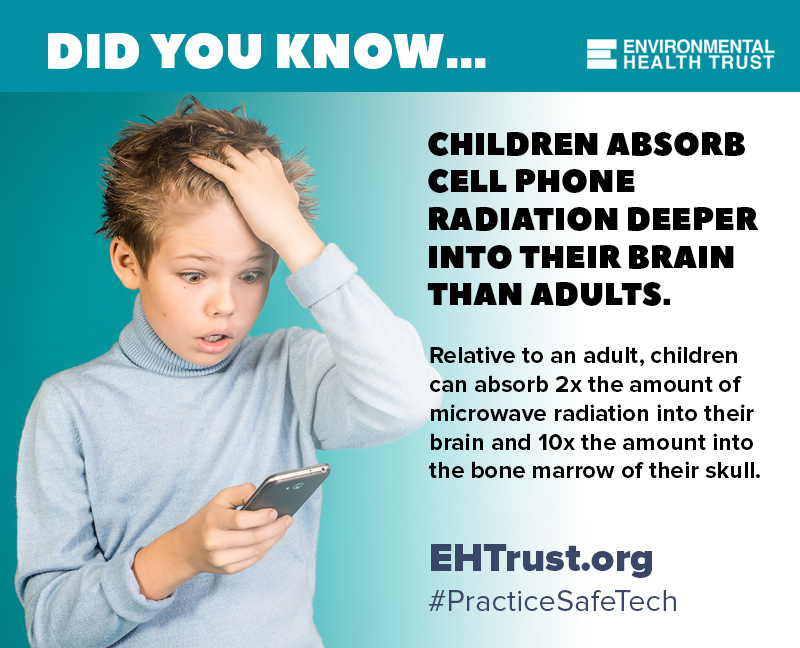


 5G antennas are